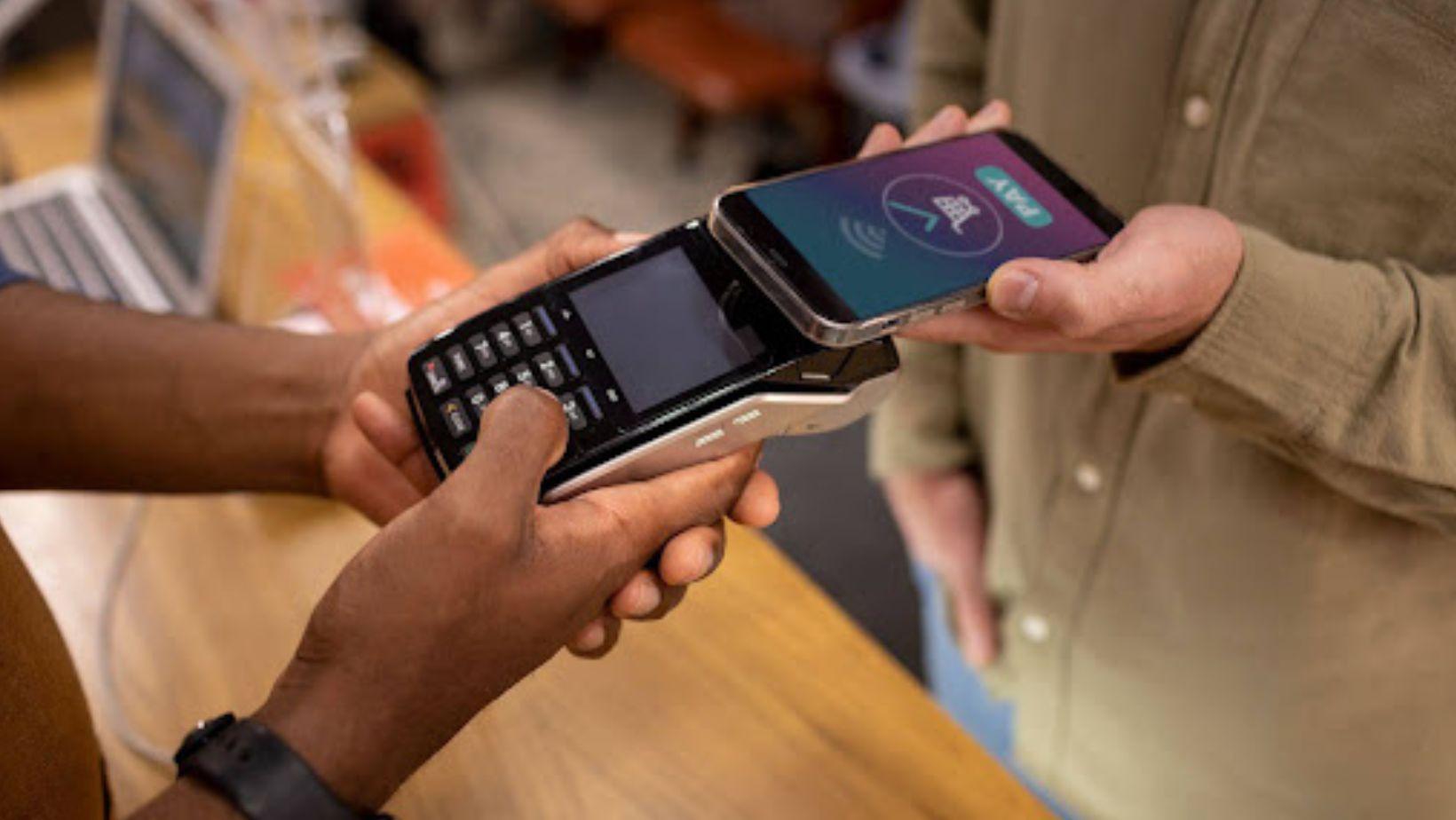
Southeast Asia’s financial landscape has undergone a dramatic structural shift, largely bypassing traditional credit card infrastructure in favor of mobile-first digital wallets and real-time account-to-account systems. Across neighboring economies like Myanmar and Thailand, local payment rails have become the primary plumbing for retail commerce, e-commerce transactions, and cross-border digital services. Understanding how these regional ecosystems operate requires looking closely at the dominant platforms driving daily transactions on the ground.
Thailand: The State-Backed Dominance of PromptPay and TrueMoney
In Thailand, the digital payment revolution is anchored by state-backed infrastructure and massive private wallet adoption. Launched by the Bank of Thailand, PromptPay has evolved into the default national railway for electronic transfers, processing tens of millions of daily transactions. By linking bank accounts directly to national ID or phone numbers with near-zero transfer friction, PromptPay established universal QR code acceptance across retail storefronts and street vendors alike.
Alongside PromptPay, private mobile wallets have captured everyday consumer spending. TrueMoney stands out as a leading financial technology platform in the kingdom, boasting tens of millions of registered users. By expanding deep into everyday merchant acceptance—ranging from convenience store chains like 7-Eleven to mass transit systems—TrueMoney bridges traditional cash behavior with frictionless digital value storage.
Myanmar: Leapfrogging via KBZPay and Wave Money
In Myanmar, the evolution of digital payments took a unique, hyper-mobile path shaped by the rapid expansion of smartphone penetration. With traditional banking networks historically limited in reach, mobile financial services stepped in to fill the gap entirely.
Platforms like KBZPay and Wave Money became essential national infrastructure almost overnight. KBZPay integrated a massive ecosystem of agent networks, peer-to-peer transfers, and mini-app shopping portals, serving tens of millions of active users. Similarly, Wave Money established a ubiquitous cash-in and cash-out agency network spanning both urban commercial hubs and rural townships, allowing unbanked populations to participate seamlessly in the digital economy.
Integrating Local Rails into Modern Digital Platforms
As regional markets mature, digital platforms expanding across Southeast Asia must accommodate these fragmented, country-specific payment methods rather than relying solely on global credit card gateways. Users expect to check out using the exact local rails they use every day, whether that involves scanning a PromptPay QR code in Bangkok or authorizing a mobile wallet transfer through local Myanmar networks.
Modern multi-market applications successfully bridge these environments by embedding local payment gateways directly into their checkout architectures. For example, the Onex2 sportsbook serves as a prominent instance of a platform integrating localized payment workflows, ensuring that users across distinct regulatory and financial landscapes can execute swift deposits and withdrawals without friction.
The Broader Regional Outlook
The rise of localized digital payment rails in Myanmar and Thailand highlights a broader Southeast Asian trend: financial technology succeeds when it solves immediate, local friction points. As regional interconnectivity deepens through cross-border QR code linkages and real-time bilateral clearing systems, the boundary between domestic wallets and international commerce continues to blur. For businesses and digital platforms operating in the region, native integration with local rails is no longer optional—it is the baseline requirement for market access.