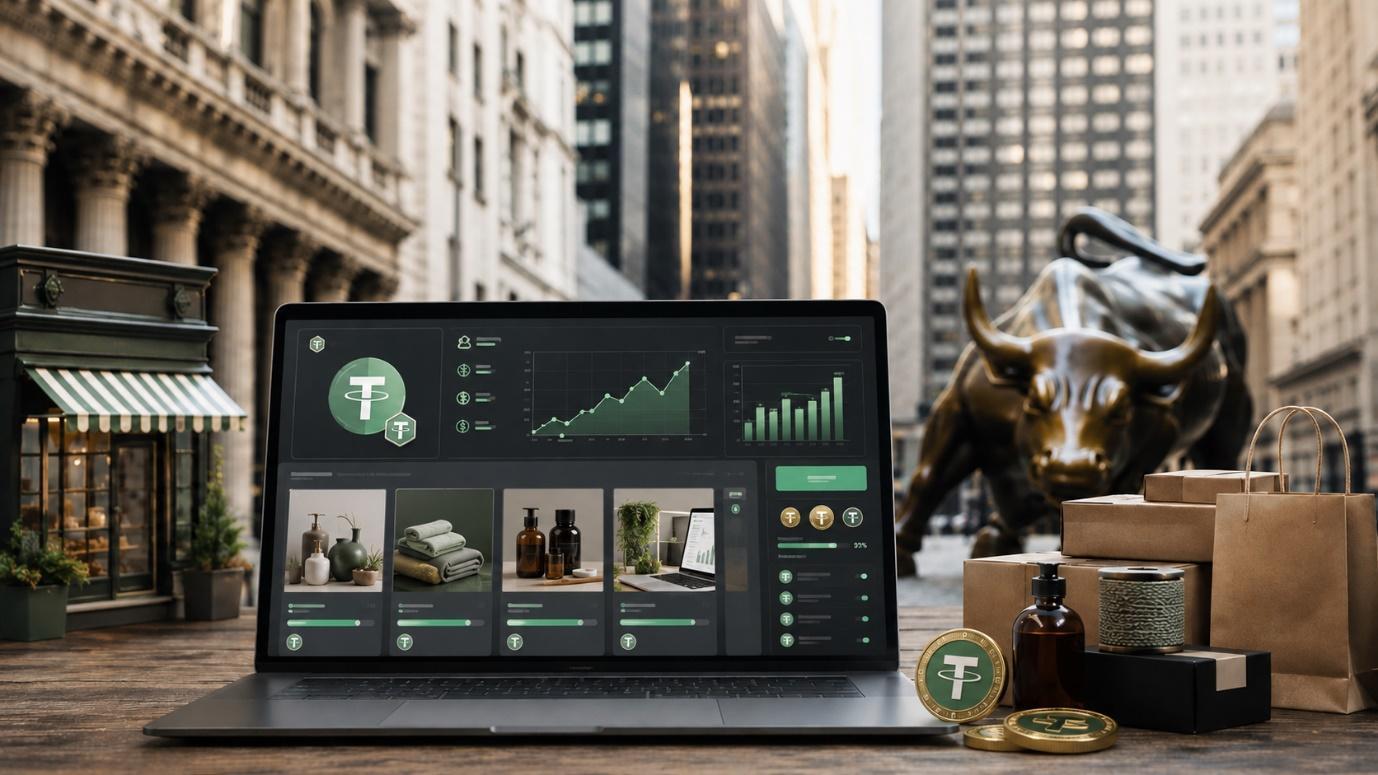
Most investors meet a company after the headlines arrive. The business has already expanded, hired investment bankers, passed regulatory reviews, and entered a public exchange. By then, early founders and private investors may have captured much of its first growth phase.
That does not make public stocks unattractive. Stock exchanges offer liquidity, standardized reporting, familiar pricing, and broad access. But they do not contain every worthwhile business. Many companies remain private for years. Others need only enough capital to buy inventory, open a location, complete an order, or launch a practical service. They may never seek a Wall Street listing.
How Do Crowdfunding Platforms Create New Investment Opportunities?
If you want halal investment beyond publicly traded shares, you should know crowdfunding platform provide direct access to businesses or projects raising capital online.
Instead of waiting for a company to conduct an initial public offering, participants examine a specific campaign and decide whether its purpose, structure, timeline, and risks make sense.
Crowdfunding changes the route between capital and business. A company presents its funding needs to a broader group rather than relying solely on banks, venture capital funds, or wealthy private investors.
Wall Street Solves Problems, But It Also Creates Distance
Public markets make ownership simple. An investor can buy a stock or ETF within seconds, see a live price, and sell during market hours. Regulations require listed companies to publish financial information, although no disclosure system removes fraud, business failure, or market risk.
That convenience creates distance between the investor’s money and the company’s daily activity. Someone may own an index fund with hundreds of businesses while knowing little about how any one company uses capital.
Private opportunities work differently. The investor often studies a single business, a single funding round, or a single commercial cycle. That closer view may reveal a clearer source of return. It also exposes the investor to concentrated risk.
Crypto Crowdfunding Changes the Infrastructure, Not the Fundamentals
Blockchain allows platforms to record contributions, automate contract rules, and move funds across digital networks. It shows when a wallet sends money and when a smart contract distributes it, and also reduces some administrative friction.
However, blockchain does not prove that a business has customers, honest managers, realistic margins, or lawful revenue.
Within the halal investment market through Crypto Crowdfunding, examining both digital infrastructure and funded activity encourages investors to remain vigilant and informed in their assessments.
Investors often confuse token movement with business performance. A project may collect funds on-chain while offering no clear ownership rights, profit claim, or repayment process. Fast settlement does not repair a vague contract.
Where USDT Fits and Where It Does Not?
Stablecoins can move capital across blockchain networks without exposing every transaction to the full price swings of assets such as Bitcoin. A platform may use USDT as a settlement asset, accounting unit, or vault asset.
Some investors therefore explore halal investment with USDT when they want to connect digital funds with real commercial projects. The structure still determines the Sharia analysis.
USDT does not generate a halal return on its own. A lawful profit must come from the underlying business or contract. Investors also need to examine reserve risk, redemption access, wallet security, custody, network fees, smart-contract faults, and the possibility that a stablecoin may lose its intended peg. The payment rail matters, and the economic activity matters more.
How to Judge an Opportunity Before It Becomes “Big”
The hardest part does not involve finding early opportunities. The internet offers plenty. The hard part involves separating a real business from a persuasive story.
Start with the source of return. A credible project should explain how capital enters the business, which activity generates revenue, which costs are incurred first, and how the investor receives a share.
Then test the downside. Ask what happens when sales arrive late, margins shrink, or the project misses its target. Review who controls the funds and whether the platform releases money before the campaign reaches a workable amount.
Finally, check the exit. Some opportunities return capital after a commercial cycle. Others require a company sale or future buyer. An investment without a clear exit may remain locked much longer than expected.
What Makes an Opportunity Relevant to Halal Investors?
A halal investment should avoid riba, serious gharar, maysir, and prohibited business activities. The return should connect to lawful trade, ownership, services, assets, or genuine commercial risk. A crowdfunding project therefore needs clear answers:
- What does the business sell?
- How will it use the money?
- What contract connects the investor to the return?
- Does the structure promise a fixed increase on a cash loan?
- Who bears a genuine business loss?
- What happens after delay, misconduct, or default?
- Can the investor verify the project’s claims?
- Does a qualified Sharia reviewer examine the structure?
Connecting Investors With Real-World Business Opportunities
HalalFi presents one model for connecting off-chain businesses with on-chain funding. It reviews Sharia, individual project selection, smart-contract records, and performance-based profit sharing rather than fixed interest. It also outlines collateral and guarantor mechanisms designed to support Principal Protection after a confirmed default.
That structure does not turn every listed project into a suitable investment. Investors still need to assess the business, expected duration, documentation, guarantor capacity, collateral, stablecoin process, jurisdiction, and dispute procedure.
HalalFi illustrates the broader shift away from anonymous market exposure toward project-level decisions. It should not replace a diversified portfolio or an emergency reserve.
A New Investment Landscape Requires Old-Fashioned Discipline
Wall Street does not own every growth path. Private businesses, project funding, crowdfunding, and blockchain-based models now give more people access to opportunities that once remained inside closed networks.
Investors should not lower their standards because an opportunity feels early, exclusive, ethical, or technologically advanced. They should demand clear contracts, credible financial assumptions, lawful revenue, transparent use of funds, realistic exits, and honest risk disclosures.
The next big opportunity may never reach a stock exchange. It may appear as a small business solving an ordinary problem with a strong commercial model.
But “not on Wall Street” does not automatically mean undiscovered value. Sometimes it means limited liquidity, incomplete information, or a high risk of failure.