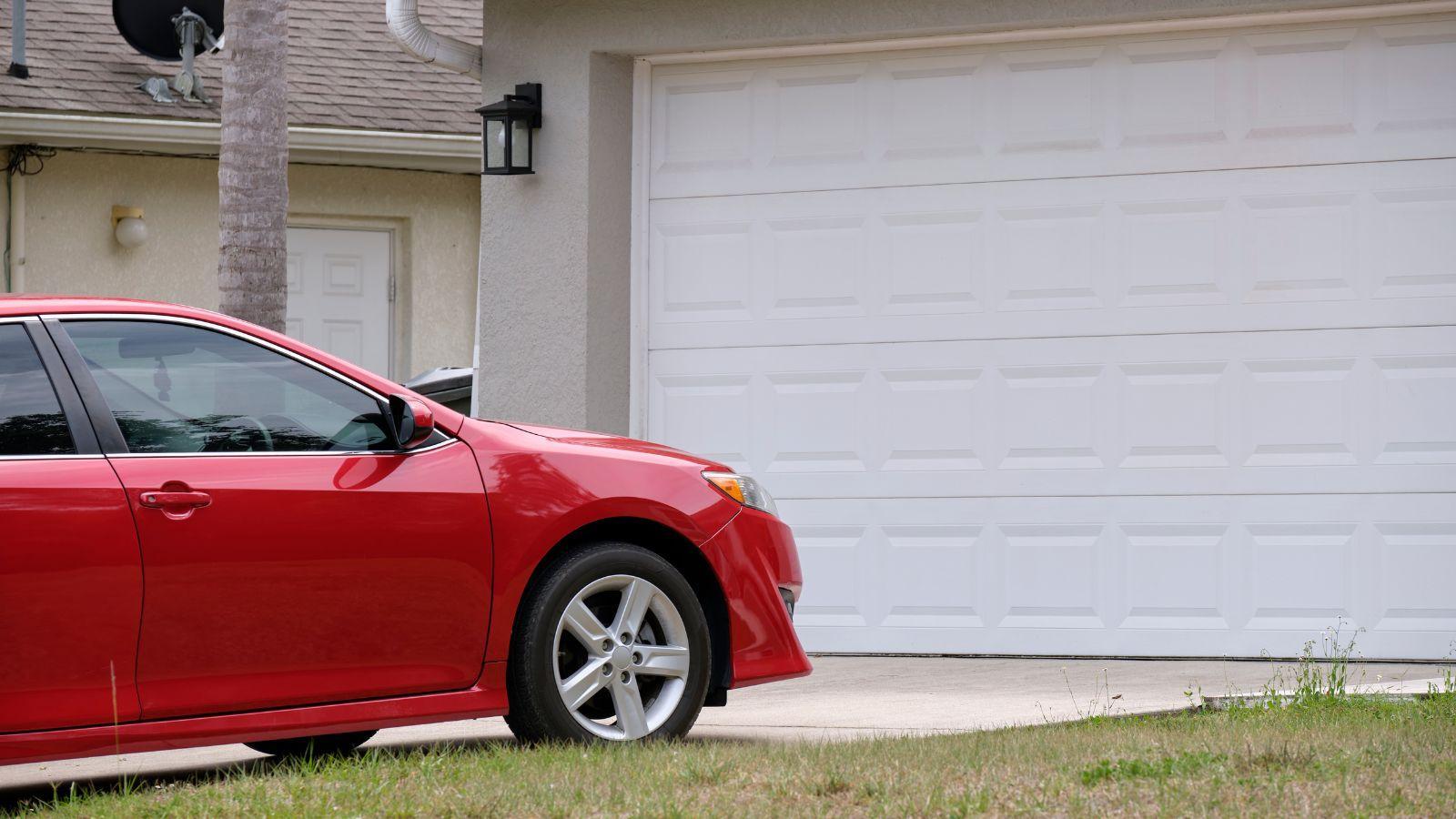
The car in the driveway may already contain features it refuses to use until you pay a monthly fee. Heated seats sit in the upholstery, fully installed, switched off until a subscription unlocks them. Faster acceleration waits inside the motor, a software toggle away, rented by the year. What began as a curiosity when BMW floated paying for seat warmers has hardened into an industry-wide shift, as the car becomes less a product you own and more a platform you license. Understanding how this happened, and what it costs drivers, is the difference between accepting the fees and pushing back.
From Machine to Platform
The change is driven by a single technical fact: modern cars are computers on wheels. Almost every new vehicle ships permanently connected to the internet, letting manufacturers build one fully loaded model and switch features on or off remotely rather than assembling dozens of configurations. The industry calls these software-defined vehicles, and they rewrite the economics of the showroom. Instead of selling a feature once, a carmaker can rent it forever, and instead of guessing which options a buyer wants, it can install everything and charge to activate whatever the driver will fund.
Features Already Behind a Paywall
This is no longer hypothetical, and the examples now span the entire price spectrum from economy brands to luxury marques. The pattern is strikingly consistent: the hardware is already in the car, fully installed, and the recurring fee simply unlocks software the factory built and then deliberately switched off.
|
Brand |
Feature |
Typical Cost |
|
BMW |
Heated seats (since scrapped) |
About $18 per month |
|
Mercedes-Benz |
Acceleration boost, 20 to 24% more output |
About $1,200 per year |
|
Tesla |
Full Self-Driving assistance |
About $99 per month |
|
Mazda |
Remote start and connected services |
About $10 per month |
|
Volkswagen |
Extra horsepower on some EVs |
About $22 per month |
The Mercedes case is the clearest tell, since the acceleration increase requires no hardware whatsoever; the motor can already deliver the extra output, and the annual fee simply removes a software limiter the factory installed on purpose. The driver is paying to switch off a restriction rather than add a part, which strips the model to its essence and explains why it provokes such a reaction.
What Carmakers Gain From It
The appeal to manufacturers becomes obvious the moment you see it as a revenue problem rather than a feature decision. Buyers are keeping their cars longer, electric vehicles need less servicing, and competition is squeezing margins, so the industry has borrowed the playbook of software companies. A few clear advantages drive the whole strategy.
- Recurring revenue is worth far more than a one-time sale, since it continues long after the car leaves the lot.
- Building one configuration instead of many cuts manufacturing complexity and cost dramatically.
- Over-the-air updates let new paid features appear without a visit to the dealership.
- Subscriptions can follow the car to its second owner, opening a fresh revenue stream on used vehicles.
Each of these points makes sense for a balance sheet, which is why the model keeps spreading even after retreats like BMW’s. The incentive sits with the seller while the irritation sits with the buyer, and that imbalance keeps the practice alive despite the backlash.
The Subscription-Fatigue Backlash
Drivers have not taken it quietly. Surveys consistently show deep hostility, with around three-quarters of shoppers opposed to feature subscriptions and roughly nine in ten insisting comfort and safety basics belong in the purchase price. The resentment is part of a broader subscription fatigue, the weariness that makes people audit their statements and cancel streaming tiers they forgot they had. It is the feeling that everything from the television to the car now metres out access by the month. People already weigh a streaming tier or a few spins on the online slots at spincity casino before paying. They resent a car fee they never agreed to in exactly the same way. BMW’s public reversal on heated seats answered exactly that anger.
How Drivers Can Push Back
The trend is powerful but not unstoppable, and buyers have more leverage than they assume. The defence comes down to attention before the purchase and choices at the dealership. Read the feature list carefully and ask which functions carry ongoing fees, since the sticker price no longer tells the whole story. Favour brands and trims offering a one-time buy-out for hardware features rather than a perpetual rent. Watch for legislation too, as lawmakers in several jurisdictions debate whether built-in hardware can be paywalled at all.
Owning Less, Paying More
The shift from buying a car to licensing one is the automotive version of a change already familiar from phones, software, and streaming, where ownership quietly gave way to access. None of it is inevitable, and the loud rejection of the heated-seat fee proved buyers can still move an industry when they refuse in large enough numbers. For the individual driver, the task is to notice what is being rented before signing, treat the monthly fee as part of the true price, and reward the makers that still let a paid-for feature stay paid for. The car is becoming a platform, but the driver decides how much of it to lease.