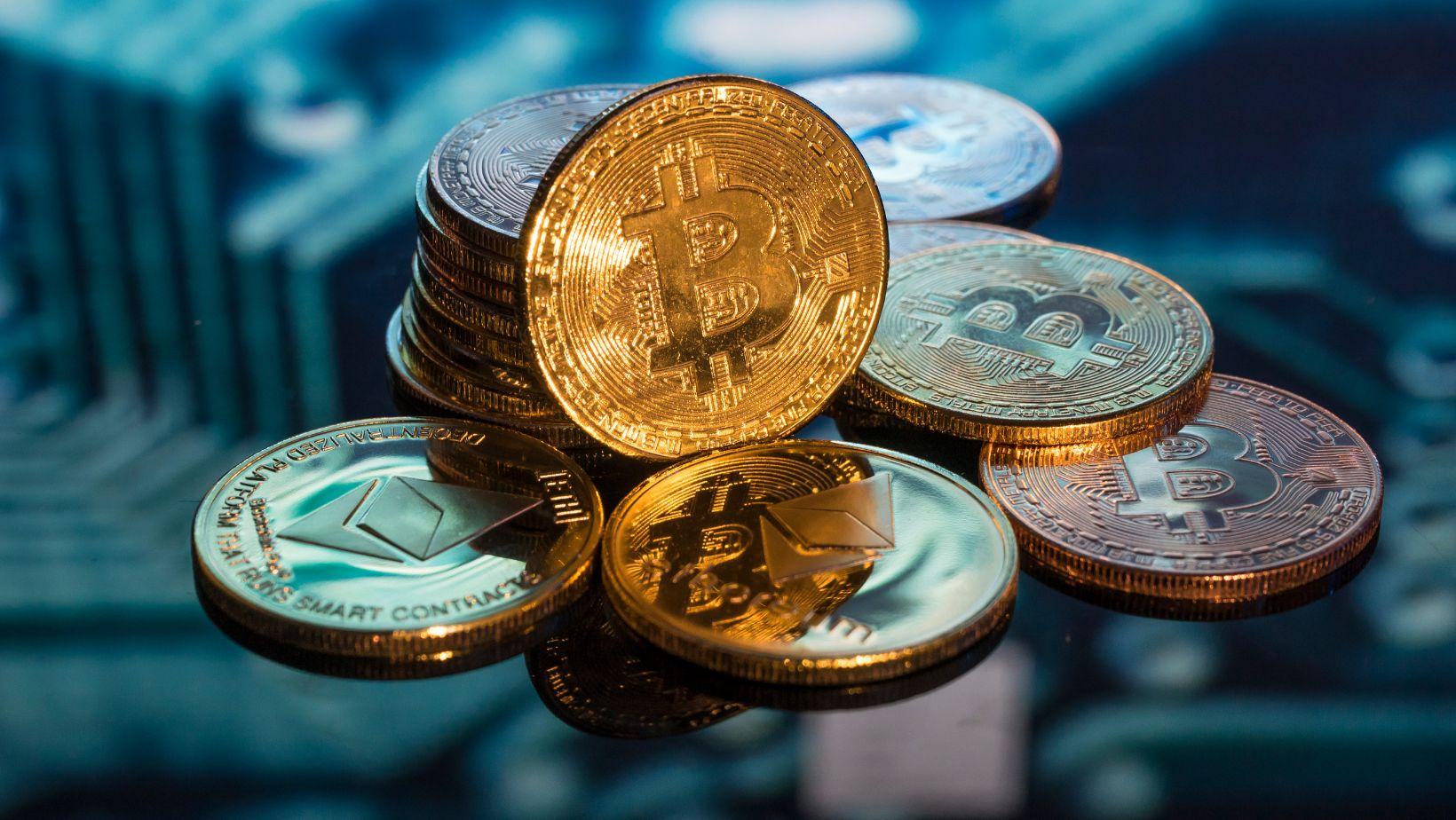
Crypto has moved from being a speculation-based investment in one corner of the financial sector to influencing payment experiments, wallet creation, asset tokenization, DeFi availability, and cross-border value transfer.. Because of that, even a simple swap says a lot about how users manage money online. A person may already hold coins in a wallet and only need to move from one asset to another. No new account. No long form. No delay over a transaction that does not involve fiat. The practical demand is clear: fast exchange, visible terms, enough coin support, and less personal data requested when the task is only asset movement.
Why no verification swaps fit modern fintech habits
Fintech users are used to tools that remove unnecessary steps. Crypto adds one more layer to that expectation because many users already control their own wallets. When funds are not meant to stay on an exchange, a full account process can feel too large for a small coin-to-coin move. It may still be necessary for fiat deposits, bank connections, regulated products, or custodial trading. But for a direct swap, some users prefer a crypto exchange with no verification when the goal is simply to move value between two digital assets.
This does not mean the user gets to ignore responsibility. Records still matter. Local rules still matter. Wallet safety still matters. Public blockchains also remain public, so no-verification does not make the transaction invisible. The benefit is narrower. The exchange process can ask for less personal information, which matters to users who do not want every small swap connected to another account profile. For people already comfortable with self-custody, this can feel closer to how crypto was meant to work: wallet first, platform second.
Why digital asset mobility matters across Asia
Asia is not one single fintech market. Singapore, India, Vietnam, the Philippines, Indonesia, South Korea, and Japan all have different rules, users, banking habits, and crypto adoption patterns. Still, one thing shows up across the region: people respond to financial tools that save time. Mobile wallets, QR payments, remittance apps, super apps, and neobanks have shaped that expectation. Crypto users bring the same instinct into asset management. If a tool makes a simple move slower than needed, they notice.
This is especially true for users who hold more than BTC and ETH. Some follow stablecoins for transfers. Some watch infrastructure tokens. Others move into assets tied to gaming, DeFi, enterprise networks, or liquidity opportunities. A direct swap tool becomes useful when the user already knows the pair and does not need a fiat ramp, card purchase, or trading dashboard. The exchange is small in scope, but the use case is not small. It helps users keep assets moving without breaking the self-custody pattern they already use.
What users should check before a faster exchange
A fast flow can make a user careless. That is the danger. Crypto does not have much patience for small mistakes. A wrong network can trap funds. A missing memo can delay or ruin the transfer. A wallet may support the coin but not the version of the asset being sent. A minimum amount can be missed because the user only looked at the rate.
Before sending funds, users should check:
- The exact coin pair.
- The network selected for the transfer.
- The receiving wallet address.
- Any memo, tag, or payment ID.
- The minimum exchange amount.
- The rate model and estimated output.
- The refund address, when requested.
This list is plain, but it is where real protection starts. HBAR, ETH, BTC, USDT, SOL, and other assets do not move under one shared rulebook. Confirmation times differ. Fees differ. Wallet support differs. Some transactions need extra identifiers. A no-verification exchange flow should still leave enough room for review before the user sends funds. Speed is useful only when the details are correct.
How HBAR forecasts affect swap timing
Forecasts can help users think, but they should not push the send button for them. Hedera is a good example. HBAR attracts attention because people connect it with enterprise blockchain use, network utility, token economics, and long-term adoption. A user may read about transaction volume, partnerships, staking, developer activity, and HBAR Price Prediction for 2026 before deciding whether to enter or exit a position. That research can be useful, but it belongs before the swap, not instead of the swap checks.
The actual exchange still depends on the rate available at that moment. A floating rate can move while the transaction is being processed. A fixed rate gives a clearer expected amount for a short period. Neither model is always better. A smaller swap in a quiet market may work fine with a floating rate. A larger rebalance during volatile trading may call for more certainty. What matters is that the user understands the rate model before sending funds. A forecast may explain why someone is interested in HBAR. It cannot protect that person from a bad network choice, a delayed confirmation, or unclear exchange terms.
Where Godex fits into this fintech use case
Godex fits this topic because it focuses on direct crypto-to-crypto exchange without asking users to create an account for a standard swap. It also supports a wide range of assets and offers fixed and floating rates. That makes it relevant for users who already hold coins in their own wallets and want a shorter path from one asset to another. The service is not trying to be every crypto tool at once. Its use case is more specific: exchange digital assets without turning a simple transaction into a long account setup.
That difference matters. A large centralized exchange may be better when a user needs fiat deposits, advanced order types, margin tools, account records, or a full trading environment. A direct swap service makes more sense when the user already has the wallet, knows the asset pair, and wants fewer steps. For a fintech audience, that is a familiar pattern. Modern finance is becoming more modular. One tool handles custody, another handles analysis, another handles payments, and another handles asset exchange.
The privacy claim also needs to be understood correctly. No verification does not hide on-chain movement. It only reduces the personal data requested by the exchange service. For users who want fewer accounts tied to their wallet activity, that can be a practical advantage.
Smarter exchange habits for 2026
A better swap decision starts with the reason behind the move. If the user needs bank access, fiat conversion, or advanced trading tools, an account-based platform may be the right place. If the user already has the wallet and only wants to move between two digital assets, a direct swap may fit better. The mistake is treating every crypto action as if it needs the same type of platform.
Digital finance is becoming more flexible, but that flexibility puts more responsibility on the user. Faster tools do not replace careful checks. A no-verification swap can save time and reduce data sharing, but the user still has to confirm the network, address, rate, and receiving wallet. The cleaner standard is simple: choose the tool for the task, review the transaction like it matters, and send funds only when the details match the plan.