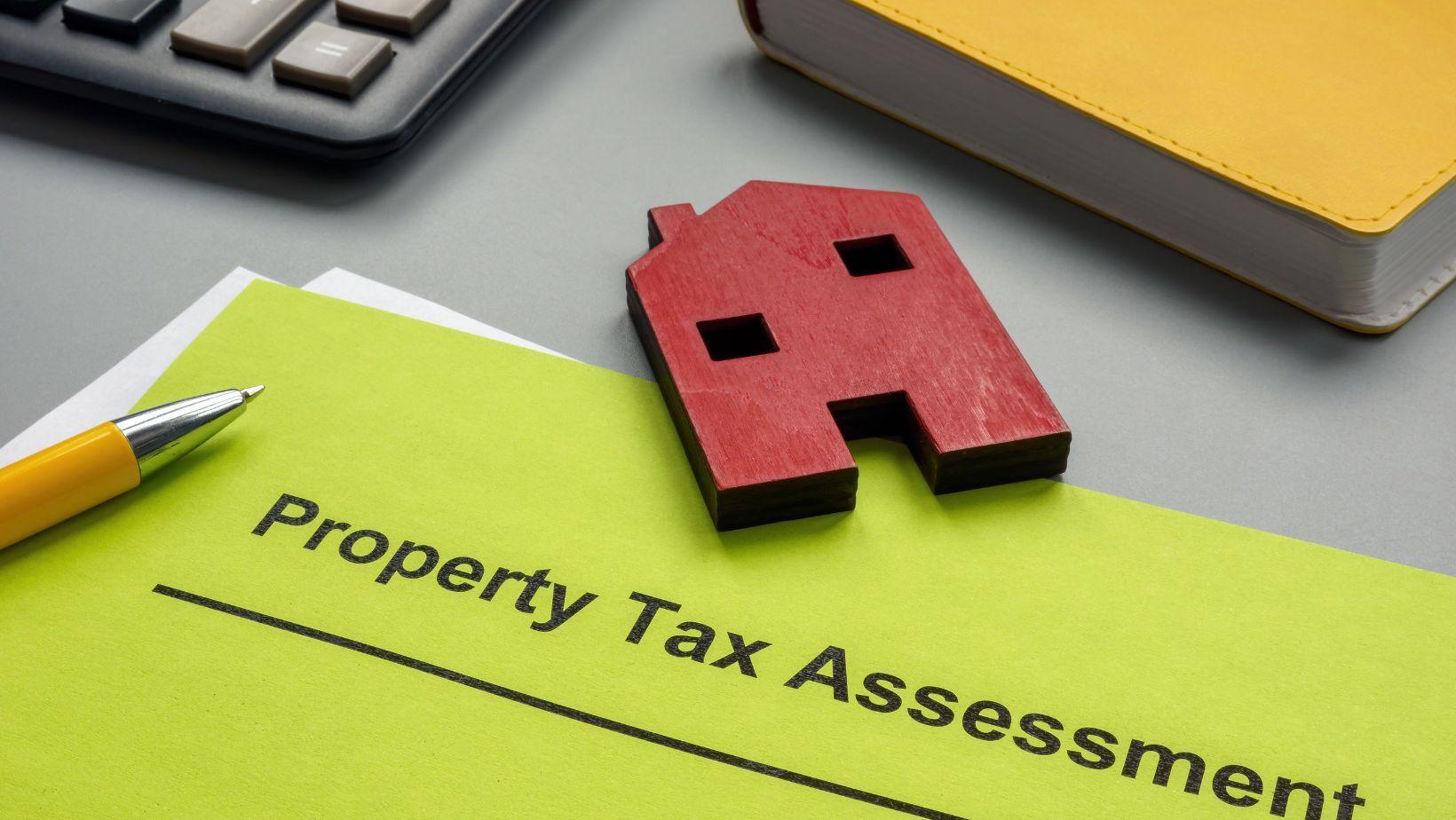
A higher appraisal usually feels like good news for a property owner. It can reflect strong market value and positive growth over time. However, appraisal results can influence more than a property's perceived worth. In some cases, they can affect future property tax assessments and related costs. Understanding that connection can help property owners avoid unexpected tax concerns later.
Property owners frequently ask, What happens if appraisal is higher than offer, after appraisal reports arrive. While a higher appraisal does not automatically increase taxes, it can attract closer attention during future assessment reviews. Assessment authorities may examine valuation records, market evidence, and taxable value calculations more closely. Those factors can shape future assessments and influence long-term tax obligations.
Higher Assessed Values Raise Annual Tax Obligations
Property taxes generally depend on a property's assessed value rather than its sale price. When a higher appraisal supports a stronger market value conclusion, assessors may determine that the property deserves a higher assessed value. If that adjustment occurs, the taxable amount can increase during a future review cycle.
A larger taxable amount frequently results in a higher annual tax bill. The exact impact depends on local tax rates, assessment methods, and available exemptions. Even a moderate increase can affect property expenses over time.
Appraisal Increases Trigger Assessment Reviews
Assessment authorities routinely compare property records with current market activity. A significantly higher appraisal may indicate that existing records no longer align with local value trends. That situation can prompt a closer examination of the property and surrounding market conditions. The review helps determine whether recorded information remains accurate and up to date.
Common review factors include:
This review process allows assessors to verify that property data reflects current conditions.
Assessment Caps Face Pressure After Revaluation
Some jurisdictions use assessment caps to limit annual increases in taxable value. These protections help control how quickly property taxes can rise after value changes occur. However, a substantial increase in market value can affect calculations tied to those limits.
In certain situations, taxable amounts may move closer to cap thresholds after revaluation. Local regulations determine how those rules apply to individual properties. Understanding these provisions can help property owners anticipate future tax changes more effectively.
Professional Review Can Uncover Assessment Errors
Property assessment data can contain inaccuracies that affect taxation outcomes. A professional review focuses on verifying the information used during valuation decisions. Specialists analyze records, supporting documentation, and valuation methods to identify discrepancies. Their findings can help determine whether corrections or further review may be necessary.
Common issues may include:
Accurate information supports fair treatment throughout the assessment process.
Future Tax Liabilities Expand Over Time
Property value adjustments can influence expenses beyond a single tax year. Many jurisdictions use existing valuation data as part of future assessment decisions. Because of that connection, an increase can affect future property costs.
Early awareness allows property owners to evaluate changes before financial pressures increase. Regular review of notices and valuation records can provide valuable insight. Strong preparation supports more effective long-term budgeting and tax planning.
A higher appraisal can affect future property tax assessments through several related factors. Property owners frequently revisit what happens if appraisal is higher than offer after tax notices arrive. Higher assessed values, reassessment reviews, and valuation changes can influence future obligations. A professional assessment review can provide clarity when valuation concerns require closer attention. Accurate records and timely action support informed property tax decisions.