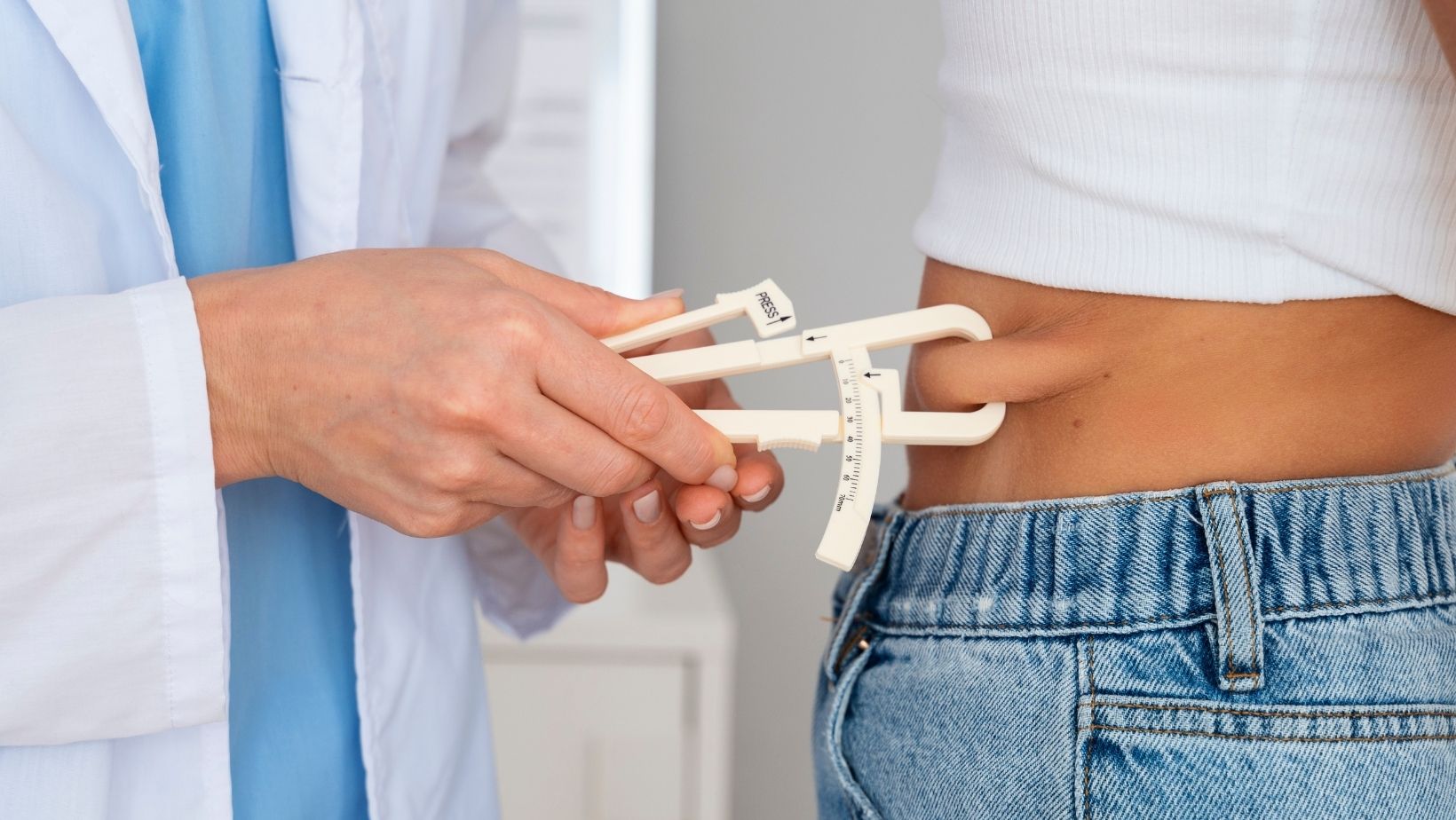
A colleague recently asked which liposuction method I would choose for a fit patient with mild abdominal laxity who refused an excision scar.
The answer was not a device name. It was a decision tree based on tissue density, skin quality, and the patient’s definition of “worth it.”
That question exposes a common problem in body contouring. Device marketing is loud, but practical guidance is scattered across conference talks, sales materials, and conflicting blog posts.
Clear decisions come from matching the mechanism to the anatomy, then pairing that choice with strict safety steps and realistic recovery planning.
Key Takeaways
The best outcomes come from disciplined case selection, sound safety protocols, and an honest match between goals and technique.
- Liposuction is the most performed cosmetic surgery worldwide. ASPS reported a 7% rise in 2023. Choose technique by tissue density, skin quality, and target area, not by marketing.
- Energy-assisted modalities have real but narrow advantages. Ultrasound-assisted liposuction, often branded as VASER, can reduce blood loss and improve skin retraction. Radiofrequency-assisted liposuction can improve soft-tissue contraction over months. Laser-assisted liposuction can cut intraoperative bleeding by more than 50% in matched areas.
- Safety protocols matter more than device choice. Use the Caprini venous thromboembolism score, track total tumescent lidocaine dose, and treat any case above 5,000 mL total aspirate as a large-volume surgery.
- Recovery takes weeks, not days. Desk work may resume in one to two weeks, but final contour usually matures over three to six months. Compression and early seroma checks shape satisfaction.
- Non-surgical options create modest, complementary change. Cryolipolysis usually reduces fat-layer thickness about 10 to 25% per cycle. High-intensity focused electromagnetic, or HIFEM, can thicken muscle about 15 to 21% while reducing fat.
- BBL safety is not negotiable. Subcutaneous-only injection with real-time ultrasound guidance is becoming the expected standard. A 2025 meta-analysis of ultrasound-guided gluteal fat grafting reported zero deaths or fat embolisms in included series.
What “Body Contouring Options” Means In Practice
Body contouring changes shape, not metabolism, so it works best for localized fat and mild tissue laxity.
You have two main paths. Surgical contouring removes fat with liposuction and can add fat grafting. Non-surgical contouring uses cryolipolysis, radiofrequency, focused ultrasound, or HIFEM to create smaller changes over time.
ASPS describes strong surgical candidates as healthy adults within about 30% of ideal body weight who have firm skin, good muscle tone, controlled medical conditions, and stable habits. Non-smoking status and pockets of diet-resistant fat still matter more than the number on the scale.
Safety And Preparation First
Safety starts with patient selection, dose control, and a clear plan for fluid shifts and clot prevention.
Start with medical history, medications, American Society of Anesthesiologists physical status class, nicotine exposure, glucose control, and prior surgery in the target area. Add a Caprini venous thromboembolism, or VTE, score so clot prevention is based on risk, not habit.
Tumescent anesthesia uses large volumes of dilute lidocaine and epinephrine to reduce bleeding and control pain. Klein’s studies support safe lidocaine doses around 35 mg/kg, and later work supports roughly 50 to 55 mg/kg with careful monitoring. Track total dose, timing, and symptoms of local anesthetic systemic toxicity.
Large-volume liposuction, usually more than 5,000 mL total aspirate, belongs in an accredited or acute-care setting under ASPS advisories. Plan IV access, warming, fluid tracking, and an anesthesia team that understands fluid shifts. A 2025 analysis of 69,424 liposuction patients found a 1.16% complication rate for standalone procedures, but that number depends on protocol discipline.
For VTE prevention, use mechanical prophylaxis for everyone and reserve chemoprophylaxis for higher-risk patients based on the Caprini score.
Liposuction Modalities: Matching Mechanism To Goal
Each liposuction method has a clear role, and no device outperforms the rest in every tissue type.
The main options are suction-assisted liposuction (SAL), power-assisted liposuction (PAL), ultrasound-assisted liposuction (UAL, often called VASER), laser-assisted liposuction (LAL), radiofrequency-assisted liposuction (RFAL), and water-assisted liposuction (WAL).
| Modality | Mechanism | Key Advantage | Best Use | Watch For |
|---|---|---|---|---|
| SAL | Mechanical suction | Versatile, cost-effective | Abdomen, flanks, thighs | Irregularities if too superficial |
| PAL | Reciprocating cannula | Efficiency in fibrous zones | Back, male chest | Device learning curve |
| UAL/VASER | Ultrasound emulsification | Less blood loss, improved retraction | Dense fat zones, HD prep | Seroma, thermal risk |
| LAL | Laser lipolysis | Reduced bleeding, small-area tightening | Submental area, arms, revision | Burn risk |
| RFAL | Bipolar RF | Soft-tissue contraction, up to 25 to 34% area reduction at 12 months | Arms, abdomen with laxity | Thermal injury if overtreated |
| WAL | Pulsatile water jet | Higher fat-cell survival | Cases needing fat transfer | Equipment cost |
Published data support selective claims. A multicenter randomized trial found VASER improved skin retraction and reduced blood loss compared with SAL. Prospective side-to-side data show LAL can cut intraoperative bleeding by more than 50%. WAL tends to preserve more living fat cells, so it makes sense when fat transfer is planned. For a practical consult framework, reviewing advanced liposuction procedures can help you compare candidacy, anesthesia, and recovery trade-offs before choosing a modality.
Before you lock in a plan, ask how the chosen device changes bleeding, skin contraction, graft quality, and recovery in your target area. Those answers matter more than the brand name.
High-Definition Liposuction And Etching
High-definition liposuction works only in carefully selected patients and punishes loose skin or excess body fat.
High-definition liposuction uses selective superficial passes to highlight natural muscle borders and is usually built on a UAL foundation. Good candidates have low to moderate body fat, strong skin recoil, stable weight, and realistic expectations about how they will look at rest, not just when flexed.
Loose skin, thick fat layers, or big weight swings make this look artificial or uneven. Risks include contour irregularities, prolonged swelling, seroma, which is a fluid pocket, and thermal injury when energy devices are used too close to the dermis. Compression and posture coaching are not optional.
Gluteal Fat Grafting: Safety Rules You Cannot Ignore
For BBL, injection plane and real-time ultrasound matter more than artistry.
Brazilian butt lift, or BBL, fat grafting has carried the highest historical mortality in aesthetic surgery because intramuscular injection can cause fat embolism. Current safety rules center on subcutaneous-only injection, real-time ultrasound guidance, strict cannula orientation, and surgeon-performed injections without delegation.
Florida law that took effect in July 2023 codified ultrasound guidance and subcutaneous-only injection for gluteal fat grafting, and the state had already limited surgeons to three BBL cases per day. Those rules mirror multi-society guidance from ASPS and The Aesthetic Society.
Non-Surgical Body Contouring: Where It Fits
Non-surgical devices can refine small areas, but they do not match the power or speed of surgery.

Cryolipolysis freezes fat cells and usually reduces fat-layer thickness about 10 to 25% per cycle, with some site-specific series reporting about 28% after two treatments. Results appear over two to six months.
High-intensity focused electromagnetic, or HIFEM, stimulates supramaximal muscle contractions. Published protocols show abdominal muscle thickening of roughly 15 to 21% with concurrent subcutaneous fat reduction of about 18% after four sessions. Radiofrequency and focused ultrasound can also help with small refinements or mild laxity.
These tools work best for non-surgical candidates, small touch-ups, or staged refinement after surgery. They require multiple sessions, steady lifestyle habits, and honest counseling about modest change.
Recovery And Aftercare
Recovery is a staged process, and early swelling hides the final result.
Expect heavy swelling and bruising in the first one to two weeks, a gradual return to normal activity by weeks two to three, and light exercise around weeks three to four. ASPS guidance notes that many patients can return to desk work in one to two weeks, but full contour maturation commonly takes three to six months.
Compression garments are usually worn nearly full-time early on. Fit matters. Garments that roll, pinch, or bunch can create pressure injuries or worsen uneven swelling.
Watch closely for seroma, infection, and clot symptoms. Focal warmth, spreading redness, rising pain, shortness of breath, or one-sided calf swelling are urgent until proven otherwise. Manual lymphatic drainage may improve comfort in selected patients, but evidence for routine use is mixed.
Putting It All Together
The right plan is the one that fits the tissue problem, the scar trade-off, and the patient’s tolerance for downtime.
The 2024 ASPS statistics report lists average surgeon fees for liposuction at about $4,300 to $7,500, with submental treatment at $3,000 to $5,500. Those numbers cover the surgeon fee only, but they help frame realistic consult conversations.
No method is universally best. Match tissue density, skin quality, target area, and downtime tolerance to the mechanism. Build the plan around Caprini scoring, tumescent dose tracking, and recovery measured in months rather than days.
FAQ
Most remaining questions center on permanence, exercise timing, technique choice, combination treatment, and BBL safety.
Is Liposuction Permanent?
Liposuction permanently removes fat cells from treated areas. Weight gain can still enlarge the remaining cells, so the contour can change if habits change. Stable weight is what protects the result.
How Soon Can Patients Work Out After Liposuction?
Walking starts within days unless the surgeon says otherwise. Structured exercise usually resumes at three to four weeks, and heavy impact or core training often waits until six to eight weeks. The exact timeline depends on treatment area and volume.
Which Liposuction Technique Is Best?
No technique wins every case. SAL and PAL are versatile standards. UAL works well in dense, fibrous fat and high-definition cases. LAL fits small areas and revision work. RFAL helps when mild laxity matters, and WAL is useful when fat graft survival matters.
Can Surgical And Non-Surgical Body Contouring Be Combined?
Yes. Cryolipolysis can help with small residual pockets after surgery, and HIFEM can support core reconditioning once the patient is cleared. Stage treatments so swelling from one step does not mask the result of the next.
What Makes Gluteal Fat Grafting Safer Today?
The biggest change is subcutaneous-only injection under real-time ultrasound guidance. Add strict cannula control, surgeon-performed injection, and case-volume limits in some jurisdictions, and safety improves substantially. A 2025 systematic review of ultrasound-guided BBL reported no deaths or fat embolisms in included series.