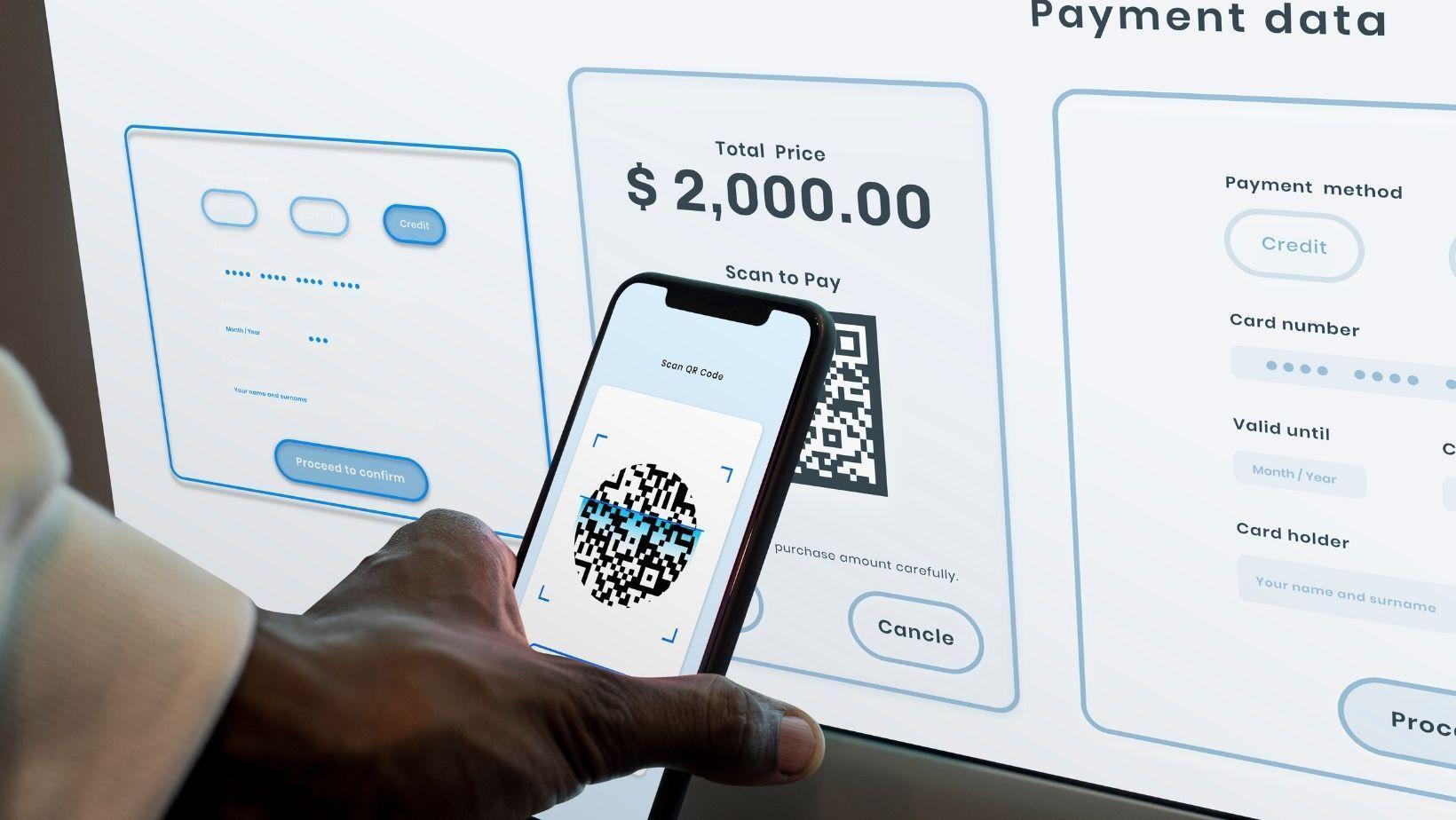
Online payments are the lifeblood of any modern business. Platforms such as Stripe, PayPal, and others have become synonymous with simplicity and reliability, offering companies of all sizes flexible and secure tools for paying for goods and services online. Why shouldn't companies develop their own payment systems? Of course, they can do so, but more often than not, there is simply no need. Developing a payment processing system in-house requires months of work, huge investments, and constant security monitoring. Ready-made services provide a “turnkey” infrastructure, relieving businesses of most technical and legal concerns. In this article, we will explain why it's beneficial for most companies not to build their own payment system and what advantages they gain from using ready-made solutions.
At first glance, it might seem that creating your own payment system is the best solution for any business and that the only issue is developing the software. However, this is far from the case. The technical aspect is actually just one of many stages, and not even the most difficult one. In fact, companies that set out to create their own payment system often face a multitude of financial, legal, and technical requirements.
The first thing to consider is compliance with regulatory requirements and international security standards, including PCI DSS, which governs the handling of credit card data. And that’s just the beginning. Companies also need to ensure the protection of users’ confidential information, respond promptly to new cyber threats, and undergo regular audits. Moreover, if a company operates in multiple markets, it will have to take into account foreign exchange transactions, specific legal requirements, and the requirements of financial institutions in each country, which poses a real challenge for most businesses.
In 2026, most companies are not developing their own payment systems due to the enormous infrastructure costs, strict regulatory requirements, and high cybersecurity risks. All of these costs usually exceed the cost of integrating a ready-made payment solution; therefore, working with a payment gateway integration partner and using a specialized provider is a more practical and cost-effective choice.
As you can see, it makes perfect sense that, for most companies, turnkey payment providers are the best solution, allowing them to focus on developing their products and services. It is precisely these turnkey payment providers that enable companies to quickly start accepting online payments without requiring massive investments in development, licensing, and system support.
A high level of security is another important reason. The thing is that providers regularly update their products, implement new anti-fraud measures, and maintain compliance with international standards. That is why companies that serve a large number of customers entrust their payment transactions to a reliable provider and are confident that all their data is secure.
It is important to note that off-the-shelf solutions greatly simplify business scaling, which is extremely important for modern companies. In addition to supporting popular payment methods, these solutions also support various currencies and local payment methods. This capability significantly expands the geographic reach of sales and reduces time to market.
The quality of payment services, including which payment methods the customer will see, how quickly the payment will be reflected in the accounting system, whether refunds can be processed, whether payment holding can be enabled, whether fiscalizations can be configured, and whether clear reports can be generated, depends directly on the provider’s capabilities. Therefore, choosing a provider is a complex process that affects all future operations.
First and foremost, the payment form and gateway must operate reliably at all times, including during periods of high traffic: sales, seasonal promotions, and holiday peaks. Even a brief outage can result in lost orders, especially if the customer is not willing to return to complete the payment later. In addition, the provider needs to help set up multiple payment methods through a single integration, without the need for separate contracts or technical connections to each provider. This is especially important if a business wants to quickly expand its payment scenarios and test new payment methods.
If a business has non-standard requirements or plans to develop its own financial services, it’s worth reaching out to companies that specialize in developing fintech solutions. By researching top fintech software development companies, you can quickly find a partner with experience in integrating payment systems, developing custom financial products, and complying with international security requirements. This will help your business find a solution that will remain effective as the company grows.
For most modern companies, building their own payment system is a complex and expensive process. To avoid massive investments, compliance with strict regulatory requirements, and ongoing technical support, businesses are increasingly turning to ready-made payment providers, which is the most effective way to quickly enter the market and provide customers with a convenient payment process.