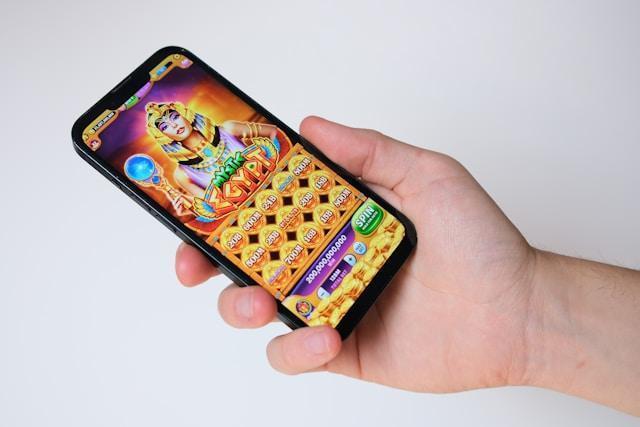
Players often remember how a game feels long before they remember every detail of its mechanics. Visual design, sound, and interaction all shape the experience from the very first screen. Together, they influence comfort, immersion, and enjoyment during each session.
Whether someone prefers strategy titles, adventures, simulations, or casual entertainment, these creative elements help transform gameplay into a cohesive experience. Understanding how they work together explains why certain games remain engaging long after the initial excitement fades.
Visual Design Shapes Perception
The visual presentation of a game creates an immediate impression. Color palettes, lighting, typography, and interface layouts all influence how players interpret the experience before gameplay truly begins. A polished appearance often makes navigation and play feel more inviting and intuitive.
Clear visual organization also reduces unnecessary distractions. Well-placed menus, readable icons, and balanced spacing allow players to understand available options without searching through crowded interfaces. This creates a smoother introduction to the game.
Online games traditionally rely on visual themes that play an important role in establishing atmosphere. Ancient civilizations, fantasy worlds, wildlife, or futuristic cities each create distinctive identities that encourage players to explore different titles while ensuring seamless navigation.
Consistency across screens reinforces confidence. When graphics remain cohesive throughout menus, gameplay, and reward animations, players spend less time adjusting to changing layouts and more time enjoying the overall experience.
Design and Sound in Casino Games
Slot machine games online are a prime example of how design and audio combine to deliver a captivating experience. Slots rely heavily on the combination of visual presentation and carefully matched audio. Rather than functioning independently, these elements work together to establish an immersive atmosphere that shapes how players experience each title.
Themed graphics often determine the overall identity of a game. Historical adventures, mythology, nature, or modern cityscapes create distinctive environments that remain visually consistent from the opening screen through every animation and feature.
Sound complements those visuals by reinforcing important moments. Background music establishes mood, while subtle audio cues accompany reels, transitions, and feature activations. Together, these effects help sessions feel more dynamic than earlier digital formats that relied on limited graphics and simple sounds.
This combination encourages players to engage naturally with each game’s presentation. Rather than focusing on isolated effects, the complete audiovisual experience creates a cohesive environment where design and sound support one another throughout every interaction.
Visual clarity also helps players distinguish between different game features without unnecessary complexity. Distinct symbols, carefully timed animations, and consistent interface elements make transitions easier to follow. Combined with complementary audio, these design choices create a seamless flow that feels organized, helping players remain focused on the overall experience rather than individual interface details.
Sound Effects Set the Mood
Audio contributes as much to immersion as visual presentation. Background music establishes emotional tone, while environmental sounds help define the atmosphere surrounding different scenes or gameplay situations.
Pacing also changes through sound. Calm melodies can encourage slower exploration, while energetic compositions naturally create greater intensity during action sequences. Players often respond to these cues without consciously noticing every individual sound.
Short audio effects provide useful feedback during gameplay. Button presses, successful actions, completed objectives, and menu selections become easier to recognize when supported by distinct sounds that immediately confirm player input.
Layered sound design strengthens consistency throughout the experience. Rather than competing with visuals, carefully balanced music and effects complement what players already see, making gameplay feel more complete and naturally connected.
Interaction Style Affects Engagement
How players interact with a game influences overall ease of use just as much as visual appearance. Whether using a touchscreen, mouse, keyboard, controller, or motion controls, intuitive interaction allows gameplay to feel natural from the beginning.
Simple navigation reduces interruptions. Clearly positioned buttons, responsive controls, and predictable menus allow players to focus on objectives rather than searching for basic functions or repeatedly correcting input errors.
Different devices also shape interaction in unique ways. Mobile games often emphasize touch gestures, while desktop experiences rely on clicks and keyboard shortcuts. Console titles frequently prioritize controller layouts designed for longer play sessions.
When interaction feels consistent, players adapt quickly to new features as they appear. Familiar control patterns reduce unnecessary learning time and encourage smoother transitions between menus, gameplay, and additional content.
Design Consistency Builds Familiarity
Consistency helps players build confidence as they explore a game’s features. Repeating familiar visual elements across menus, settings, and gameplay creates predictable navigation that becomes easier to understand over time.
Icons, fonts, colors, and interface structures all contribute to this familiarity. When these elements remain stable, players recognize important information immediately without needing to relearn navigation with every new screen.
Consistent interaction reinforces that experience further. Similar button placements and menu behaviors reduce confusion, allowing players to focus on discovering content rather than adjusting to changing layouts or controls.
This familiarity supports long-term engagement. Games that maintain a unified design language often feel more approachable because players quickly understand how different elements relate to one another throughout the overall experience.
Combining Elements for Cohesion
Design, sound, and interaction function most effectively when they support one another rather than competing for attention. Together, they establish the identity of a game and influence how players experience every moment from beginning to end.
Visual presentation introduces the setting, while sound reinforces mood, and interaction allows players to participate naturally within the digital environment. None of these elements achieves the same impact when considered independently.
A cohesive experience also improves continuity. Consistent transitions between menus, gameplay, animations, and audio help each session feel connected rather than divided into unrelated components.
When all elements work together, players experience smoother navigation, greater immersion, and greater familiarity throughout the game. This unified approach explains why thoughtful design remains one of the defining characteristics of memorable digital entertainment.
Every Element Shapes the Experience
Strong games rely on more than compelling mechanics alone. Visual design, sound, and interaction collectively shape how players experience every session from the opening screen to the final moment.
When these elements remain consistent and work together naturally, gameplay feels smoother, more immersive, and easier to navigate.
As digital entertainment continues to evolve, thoughtful integration of these creative features will remain central to delivering engaging experiences that keep players interested across a wide range of game styles.