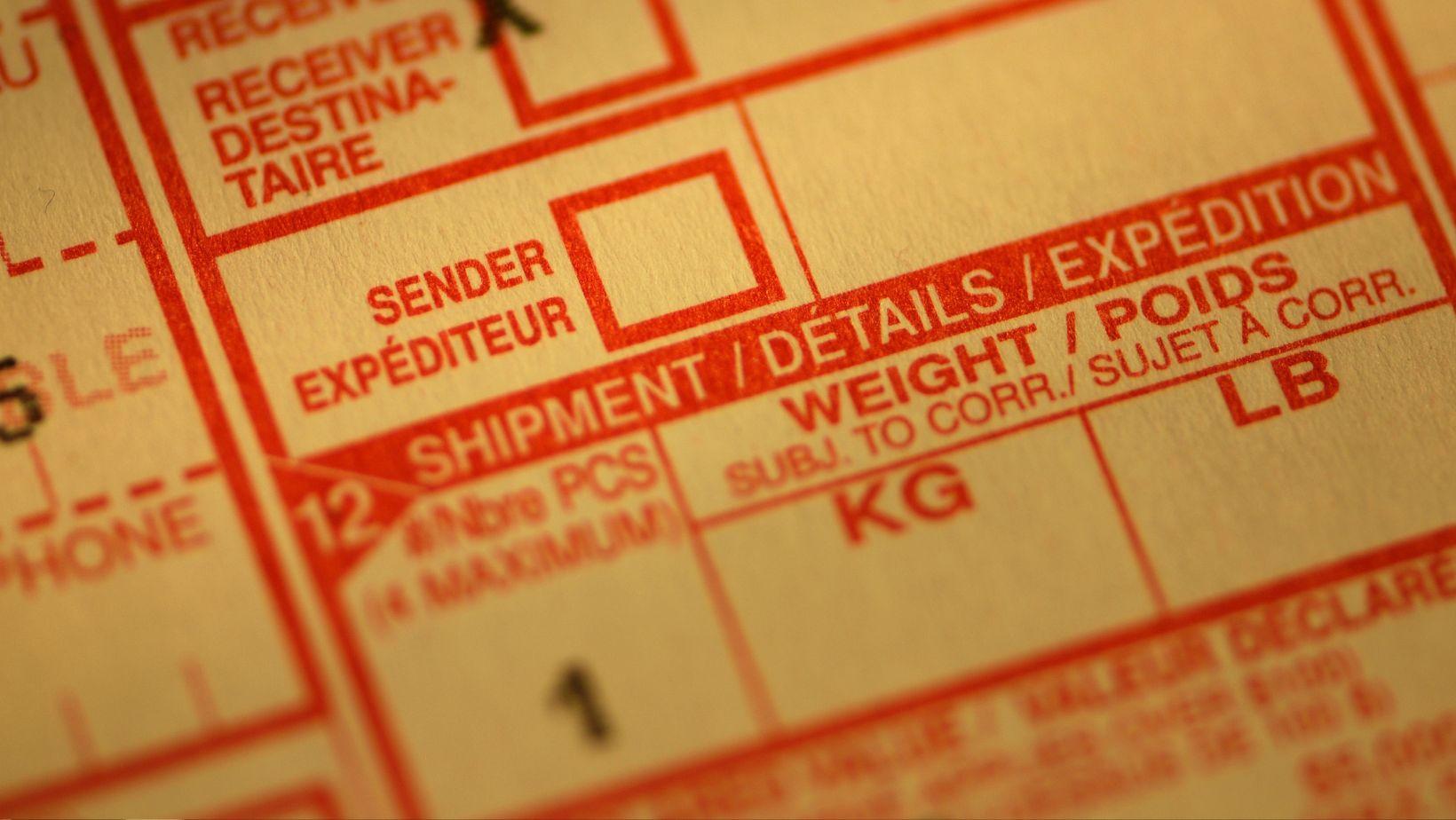
International trade has its own compliance issues. Increasing pressure is being felt by companies to properly manage their shipments against all regulations within various regions. Manual waybills lead to inefficiencies, compliance issues, and extra costs.
Electronic waybills transform this landscape. They eliminate paper-based inefficiencies and provide real-time visibility into international shipments. We’ve seen enterprises reduce customs delays by 40% after implementing robust e-waybill systems.
Understanding E-Waybills: The Digital Foundation of Modern Cross-Border Trade
E-waybill refers to the digital form that travels along with the goods while crossing the border point. The e-waybill carries all the vital information regarding the shipment such as consignor details, consignee details, description of the cargo, vehicle details, and route details.
There are many uses for this document. It acts as proof of legal transportation of the commodities, as evidence that taxes have been paid, and it provides tracking of the shipment. Where there is an international movement of goods, e-waybills have to conform to laws of the two countries.
It is important to take the distance into consideration. This factor helps most places decide whether the e-way bill will be valid. A trip of 200 kilometers may not need the same compliance measures as a journey of 2,000 kilometers. Entering the right distance ensures that the e-way bill remains valid.
How Electronic Waybill Systems Streamline International Logistics Operations
Automation prevents human errors during data entry. The latest waybill software uses GPS coordinates to calculate distance automatically. The program fetches addresses of the consignor and consignee, computes the route, and provides compliant documents in no time.
Real time tracking offers visibility like never before. The logistics team can track the shipment through several jurisdictions at once. Whenever a truck enters into another jurisdiction, the system automatically updates its compliance status.
The capability of integration is incredibly important. The way we do e-invoicing is that our technology integrates e-waybill creation with your ERP systems, which means the data goes seamlessly between your procurement, logistics, and financial departments automatically. Route optimization saves you money. By using advanced algorithms, traffic patterns, border crossing times, and regulatory compliance are taken into consideration to provide the best route for you.
Waybill Compliance Requirements Across Different Trade Jurisdictions
Regulatory landscapes can be vastly different. For example, the European Union has certain data requirements that are distinct from those in the Asian markets. The Middle East has special validation requirements. North America has its own regulatory environments for trade.
Distance levels set different criteria. While in some areas an e-waybill is required for shipment above certain distances or monetary value, in others, shipment documentation is needed irrespective of their size.
Tax reporting consolidation is very important. Tax Compliance Software should align information about e-waybills with VAT, customs duties, and local tax laws. We have assisted more than 1,000 customers with this process in over 75 countries.
The Technology Behind E-Waybill Software: Features That Matter for Global Trade
Distance calculation through intelligence employs the use of machine learning algorithms. The system analyzes data on routes, traffic, and geography to come up with estimates that are accurate. This way, the 10% variance is avoided.
Multi-jurisdiction support handles diverse regulatory frameworks simultaneously. A single shipment might require compliance documentation for three different countries. The software generates appropriate e-waybills for each jurisdiction automatically.
Connectivity through API helps in integration of the ecosystem. Contemporary platforms integrate with customs platforms, tax agencies, and logistics partners through standard interfaces. SNI SAP Solutions offer complete integration of connectivity solutions with SAP ERP.
Securing the Supply Chain through Digital Integrity
In today’s era of cross-border business transactions getting increasingly digitized, it is essential to ensure that the information related to the shipments is protected. Contemporary e-waybill systems make use of blockchain and encryption to generate an immutable audit trail. It will help in avoiding any kind of modification of the shipment’s data, thus ensuring that the data that is seen by the customs officials is identical to the one that was originally uploaded by the warehouse. Stakeholders ranging from the carriers to the tax authorities can authenticate the waybill immediately through decentralized ledgers.
Cost-Benefit Analysis: How E-Waybills Reduce Trade Friction and Operational Expenses
Manual waybill processing costs add up quickly. Staff time, paper documentation, correction cycles, and compliance penalties create hidden expenses. Companies typically spend 15-20 hours weekly on waybill-related administrative tasks.
Electronic systems deliver measurable savings. Automated distance calculation eliminates errors that cause shipment delays. Real-time compliance validation prevents costly penalties. Integration with existing systems reduces duplicate data entry.
Why SNI Technology for E-Waybill Management?
We deliver comprehensive end-to-end automation that competitors can’t match. Our platform handles everything from initial waybill generation through final customs clearance. Real-time transaction-based reporting provides CFOs with instant visibility into compliance status.
ERP-independent architecture offers flexibility. Whether you run SAP, Oracle, or proprietary systems, our e-Doc Suite integrates seamlessly. Multinational companies choose us because we understand complex regulatory environments, 75% of our 1,000+ clients operate across multiple jurisdictions.
Our proven technological expertise reduces risk. We’ve processed millions of cross-border transactions, learning from each interaction to improve accuracy and compliance. This experience translates directly into fewer customs delays and lower operational costs for your organization.
The Next Frontier of E-Waybill Innovation
As global trade corridors evolve, the role of e-waybills is expanding far beyond simple compliance and digital documentation. The next frontier of logistics optimization lies in the convergence of e-waybill systems with the Internet of Things (IoT) and predictive artificial intelligence.
By embedding IoT sensor data directly into the electronic waybill framework, enterprises can move from passive tracking to active, dynamic shipment management. Real-time telemetry, such as temperature monitoring for pharmaceuticals, humidity tracking for perishable foods, and shock detection for fragile electronics, can be permanently logged against the digital waybill record.
Furthermore, predictive AI algorithms are beginning to analyze historical border latency data alongside real-time e-waybill submissions. This allows the system to forecast customs bottlenecks before a vehicle even arrives, automatically suggesting dynamic route adjustments or pre-scheduling customs inspections.
As sustainability regulations and carbon taxes tighten globally, modern e-waybill software is also adapting to calculate and report accurate scope 3 logistics emissions based on the precise distance and vehicle data recorded. Transitioning to an advanced e-waybill platform is no longer just a strategy for mitigating friction; it is a vital step toward building an agile, transparent, and future-proof global supply chain.