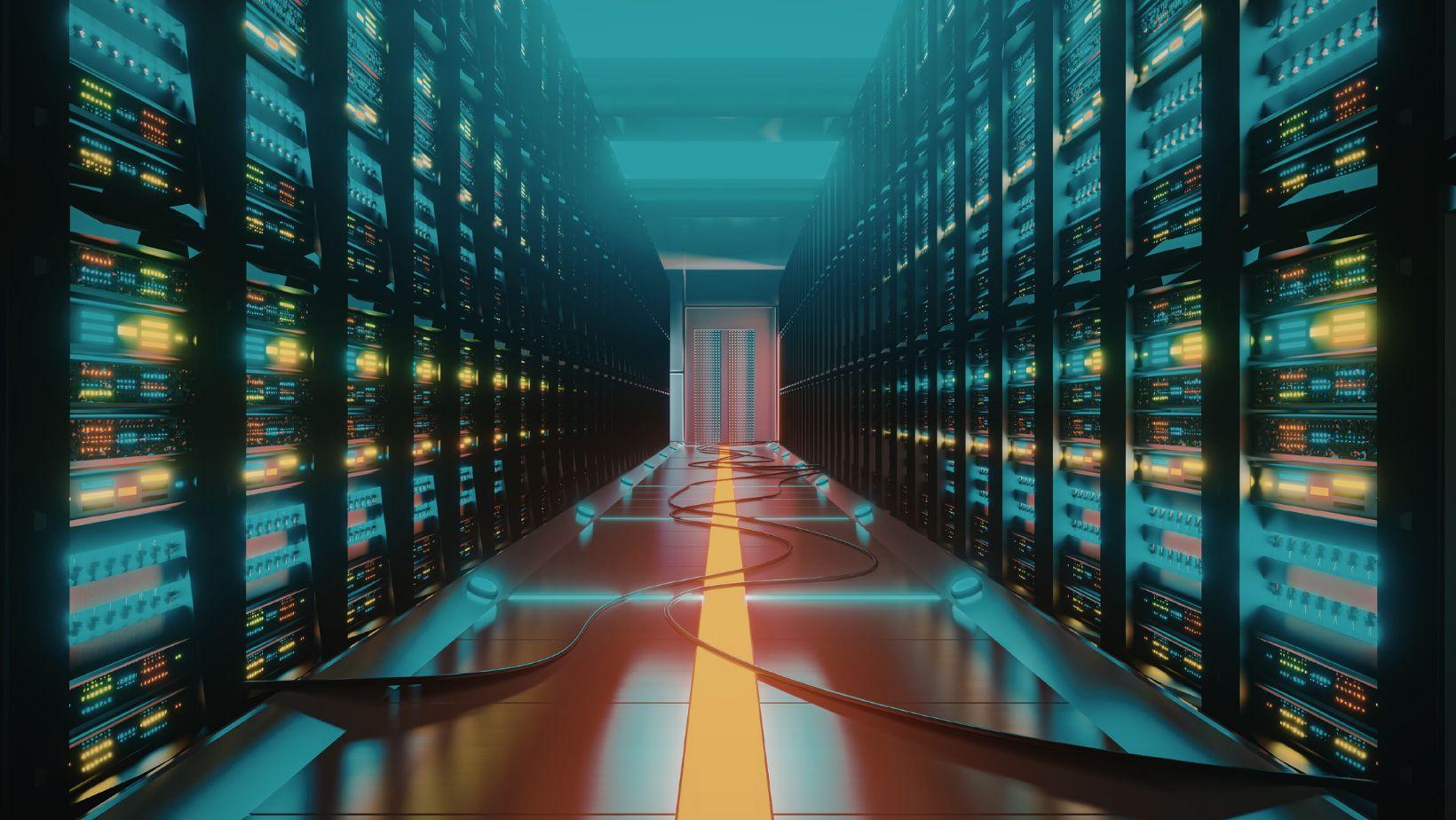
The digital world is shifting beneath our feet. For decades, data centers operated on a predictable trajectory, steadily growing to handle more video streaming, cloud storage, and mobile applications. But the sudden explosion of artificial intelligence has changed the math entirely. AI is not just another workload. It is an incredibly resource-intensive technology that demands a fundamental rethinking of how data centers are built, powered, and cooled.
To understand why this is happening, we have to look at the infrastructure itself. Traditional data applications rely on standard central processing units. These processors handle tasks sequentially and are highly efficient for everyday computing. AI training and inference, however, require graphical processing units and specialized chips that process thousands of tasks simultaneously. This parallel processing capability is what allows machine learning models to analyze massive datasets and generate humanlike responses in seconds. It also requires an unprecedented amount of electricity.
The Power Density Challenge
The most immediate impact of this shift is felt in rack density. Not long ago, an average data center rack drew somewhere between three and five kilowatts of power. A high-density rack might have pushed toward ten kilowatts. Today, racks designed to support advanced AI deployments are regularly exceeding thirty kilowatts, and some are even approaching one hundred kilowatts per rack.
This massive concentration of power changes everything. It means facilities can no longer simply pack more hardware into a room without overwhelming the local electrical grid and the building's own internal power distribution. Data center operators are forced to look at their infrastructure through a completely new lens.
To keep up, operators are securing larger power commitments from utility companies, which is becoming increasingly difficult as grids face their own constraints. This has led to a growing interest in alternative energy sourcing. Many operators are exploring on-site generation, microgrids, and direct agreements with nuclear power plants to ensure a stable, continuous supply of electricity that does not rely solely on the public grid.
Rethinking the Cooling Equation
When you pump that much electricity into a small space, you generate an immense amount of heat. Traditional data centers rely on air cooling, using massive fans to push chilled air through raised floors and across server racks. While this method worked well for decades, air simply cannot absorb and dissipate heat fast enough to cool high-density AI chips.
Because of this limitation, the industry is rapidly transitioning toward liquid cooling technologies. Liquid conducts heat significantly better than air, making it far more efficient for dense computing environments.
There are two primary forms of liquid cooling gaining traction today. The first is direct-to-chip cooling, where a closed loop of liquid pipes connects directly to a cold plate resting on top of the processor. The liquid absorbs the heat directly from the source and carries it away to a heat exchanger. The second method is immersion cooling, where entire servers are submerged in a specially designed dielectric fluid. This fluid is non-conductive, meaning it does not damage electronics, and it absorbs heat from every component simultaneously.
Implementing these cooling methods requires a massive capital investment. It means retrofitting older facilities with piping infrastructure, pumps, and fluid management systems, or designing new facilities from the ground up to support liquid infrastructure.
The Human Element: Bridging the Skilled Labor Gap
While the technological shift to liquid cooling and high-density power is complex, the physical execution of these upgrades creates a massive logistical challenge. Data centers do not build or retrofit themselves. The transition requires an unprecedented level of specialized manual expertise, creating an acute labor shortage across the construction and engineering sectors.
Finding professionals who understand the intricate intersection of complex electrical grids and advanced fluid dynamics is incredibly difficult. To bridge this gap, facility operators and general contractors are turning to specialized skilled trade staffing agencies, such as Superior Skilled Trades.
These agencies play a crucial role in sourcing vetted, highly trained talent who can handle the delicate nature of data center environments. Installing liquid cooling systems requires specialized pipefitters and plumbers who understand closed-loop systems and zero-tolerance leak environments. Upgrading power systems requires industrial electricians capable of working with high-voltage switchgear and complex backup generator systems.
By leveraging skilled trade staffing agencies, data center builders can scale their workforces rapidly to meet tight project deadlines without sacrificing safety or quality. These agencies maintain deep pools of certified talent, handling the recruitment, background screening, and safety training required for high-stakes infrastructure environments. This agile workforce model allows the industry to keep pace with the aggressive construction schedules demanded by the AI boom.
Location and Latency
For standard cloud applications, location matters because of latency. A user in New York wants their application to load instantly, so the data center needs to be relatively close. This led to the rise of massive data center hubs near major metropolitan areas.
AI alters this dynamic based on the specific task being performed. AI workloads generally fall into two categories: training and inference.
Training a large language model requires a massive amount of data and continuous computational power over weeks or months, but it does not happen in real time. Because latency is not critical for training, these workloads can be placed anywhere in the world where land is cheap, power is abundant, and the climate naturally assists with cooling. We are seeing a geographical expansion into secondary and tertiary markets where energy resources are more readily available.
Inference, on the other hand, is the process of using a trained model to answer user queries in real time. When a user asks an AI assistant a question, they expect an immediate response. Therefore, inference hardware must remain close to the end user, requiring high-density upgrades to existing urban data centers.
The Sustainability Balancing Act
As energy consumption skyrockets, data center operators face immense pressure to maintain their environmental and sustainability commitments. Most major infrastructure providers have pledged to achieve carbon neutrality or net zero emissions in the coming decades. The AI power surge makes these goals significantly harder to reach.
To balance these competing demands, the industry is investing heavily in renewable energy certificates and power purchase agreements for wind and solar energy. However, because wind and solar are intermittent, operators are also investing in battery storage technologies and exploring geothermal energy to provide clean, consistent baseload power.
Efficiency metrics are also being scrutinized. The standard metric for data center efficiency is power usage effectiveness, which measures how much energy is used by the computing equipment versus the supporting infrastructure, like cooling and lighting. While liquid cooling improves this metric by reducing the energy needed for fans, the sheer volume of total energy consumed remains a critical concern for local communities and regulators.
The Road Ahead
The adaptation process is not happening overnight. It represents a multi-year transformation of global digital infrastructure. Data center operators are effectively building the foundation for the next generation of human technological advancement, and they are doing so under tight timelines and intense resource constraints.
The facilities being designed today look radically different from those built a decade ago. They are more industrial, more energy dense, and increasingly reliant on advanced fluid dynamics rather than simple air movement. As artificial intelligence continues to evolve, the physical spaces that house it will have to remain flexible, adapting to ever-changing hardware requirements and shifting energy landscapes.