GPS tracking fleet insurance savings are real, but most fleet owners never see them because they walk into renewal conversations without any data. A logistics manager I worked with last year had an 18 percent premium hike with zero claims on record, and his carrier based the entire increase on industry-wide accident trends with nothing specific to his fleet.
Without telematics data, carriers price every commercial fleet on industry averages. Your drivers could have spotless records for three straight years, and the premium still climbs because someone else in your risk category had an accident. GPS tracking changes what carriers can actually see about your specific operation, and that visibility is where premium reductions between 5 and 20 percent come from.
In this guide, you will find exactly where behavioral data, accident documentation, and theft recovery records connect to what appears on your annual invoice, and what to look for in a system that consistently delivers at renewal.
Why Commercial Fleet Insurance Costs Keep Rising
Three years of clean driving records mean very little if your carrier is pricing your policy based on what the rest of the industry is doing.
Several cost pressures have pushed commercial fleet premiums higher across the board, and most of them have nothing to do with how your drivers actually behave:
- Nuclear verdicts in commercial vehicle lawsuits have pushed liability reserves higher, and carriers spread that cost across everyone in the category
- Cargo theft losses have grown significantly, with high-theft corridors like the I-10 corridor in Texas now regularly cited in carrier risk reports
- Medical cost inflation tied to accident claims adds to payout exposure on every active policy
Without telematics data, a carrier has no way to separate your fleet from a higher-risk operation with similar vehicle counts. GPS tracking changes what they can actually see, and that shifts the conversation from category pricing to fleet-specific pricing.
How Does GPS Tracking Lower Fleet Insurance Premiums?
Fleet GPS tracking lowers the insurance premiums by replacing carrier assumptions with documented behavioral evidence of how your fleet actually operates.
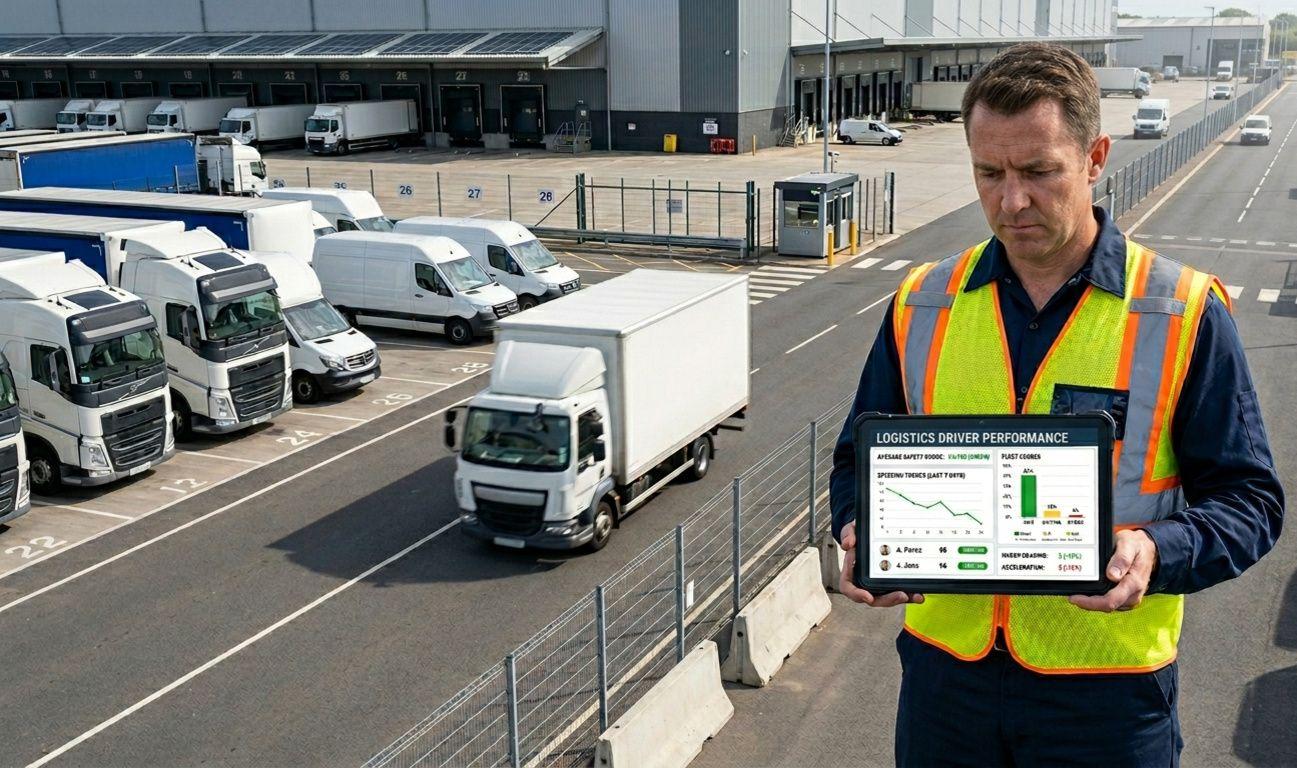
When a fleet manager arrives at renewal with telematics reports in hand, the carrier is no longer at risk. Here is what that report typically shows, and what insurers look for in each:
- Speed compliance: how often drivers exceed posted limits and by how much, flagged per driver and per shift
- Harsh braking frequency: the number of hard-stop events per trip, which correlates directly with following distance and collision risk
- After-hours movement: any ignition-on events outside approved operating windows, which signals unauthorized use
- Maintenance adherence: service intervals met on time, reducing mechanical failure exposure
Many commercial insurers now offer structured telematics discounts between 5 and 20 percent for fleets that bring this data to renewal. Beyond the direct discount, a cleaner claims history builds over time, which further reduces the loss ratio carriers use to calculate your rate.
Platforms like BrickHouse GPS generate exportable, dated versions of all these reports, so the documentation is ready well before renewal conversations begin.
What Driver Behavior Data Do Insurers Actually Use?
Insurers focus on behavior because driving patterns are the strongest available predictor of future claim frequency. Four categories show up consistently across commercial fleet evaluations, and each one ties to a specific risk the carrier is trying to price.
Speeding carries the most weight in most carrier models. A driver regularly exceeding posted limits by 10 or more miles per hour presents a measurable liability profile, and GPS logs every event with timestamp, location, and severity. Carriers can see whether speeding is isolated or a consistent pattern across specific drivers and shifts.
Harsh braking and aggressive acceleration reveal following distance habits. Frequent hard-stop events suggest either distracted driving or consistent tailgating, both of which show up in rear-end collision data as major commercial fleet claim categories.
The remaining two metrics complete the behavioral picture:
- After-hours vehicle movement flags unauthorized use outside approved windows, which can affect policy coverage conditions depending on how commercial use is defined in the contract
- Route deviation from assigned paths points to undisclosed stops or off-route behavior that carriers treating driver schedule as part of the risk calculation will want to see addressed
How Does GPS Tracking Protect Fleets During Accident Claims?
When an accident happens, the first question from every insurer and plaintiff attorney is the same: what actually occurred? Without objective data, the answer depends entirely on driver statements and whatever physical evidence remains at the scene.
GPS combined with dash cam footage closes that gap immediately. From the moment of impact, a paired system provides:
- Precise vehicle speed in the seconds before and during the collision
- Exact GPS coordinates and route history going back through the entire trip
- Hard braking events logged with timestamps before the point of impact
- Video footage from road-facing and in-cabin cameras tied to the same moment
For fleets facing third-party liability claims, this documentation is often what separates a case that settles quickly from one that escalates into expensive litigation. Fleet attorneys consistently report that GPS and dash cam data resolves disputed claims faster and at lower cost than cases with no objective record.
False claims are a growing exposure for commercial fleets. When a driver deliberately causes a collision with a fleet vehicle to generate a personal injury payout, GPS data showing the fleet vehicle traveling within limits, maintaining distance, and braking before impact shuts down the claim before legal fees begin to accumulate.
Does GPS Tracking Help Reduce Theft-Related Insurance Costs?
Yes, and the savings come from two directions at the same time.
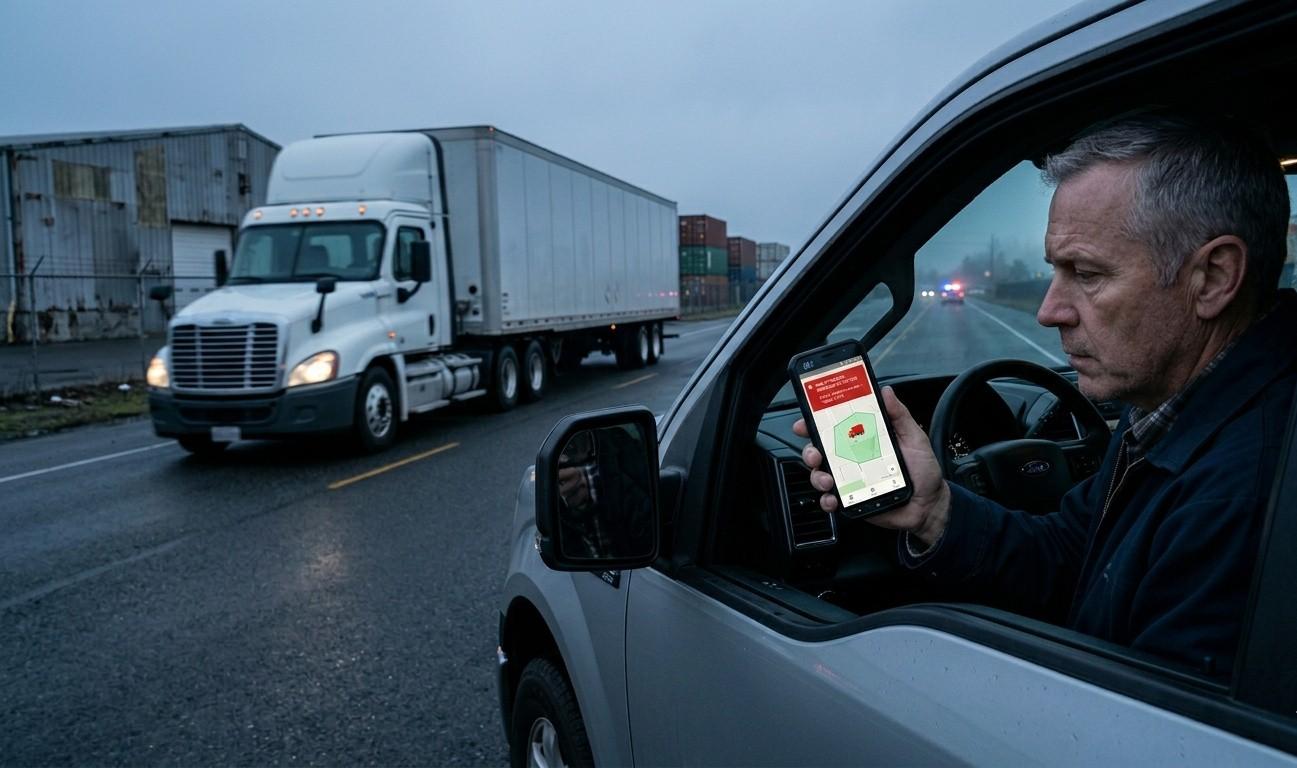
Active GPS tracking dramatically improves recovery rates for stolen vehicles and trailers. Law enforcement receives real-time coordinates within minutes of an unauthorized movement alert, which means recovery often happens before the asset is transported or stripped. A recovered asset keeps the claim value low. A quickly recovered asset sometimes eliminates the claim entirely.
The second direction is prevention documentation. Carriers view active geofencing, motion alerts, and after-hours movement monitoring as evidence that a fleet manages its theft exposure rather than simply hoping assets stay where they were left. Some commercial insurers offer separate discounts for fleets with documented GPS theft protection in place, independent of the behavioral telematics discount.
The scale of cargo theft makes this relevant for nearly every fleet. FBI data puts annual U.S. cargo theft losses above $35 billion, and carriers price that exposure directly into policies covering high-value loads or vehicles operating in known high-theft corridors.
Which Fleets See the Biggest Insurance Savings From GPS?
Every insured commercial fleet benefits from telematics data at renewal, but the size and speed of premium reductions vary by industry because different operations carry different primary risk factors.
Long-haul trucking sees the clearest impact because liability exposure per vehicle is highest in this category. A telematics record showing Hours of Service compliance, highway speed discipline, and consistent braking data addresses the exact risk factors pushing long-haul premiums to their current levels.
Construction fleets get the most value from theft recovery and geofencing documentation. Construction sites rank consistently among the highest-theft environments in commercial operations, and carriers price that reality into every policy covering heavy equipment and work vehicles parked off-site.
For the remaining fleet types, the savings look different but are still real:
- Delivery and last-mile operations benefit most from driver behavior data in dense urban environments, where stop-and-go accident frequency is higher than on highway routes
- Field service fleets covering trades like HVAC and electrical see the biggest returns from after-hours monitoring, since unauthorized vehicle use is one of the most common policy triggers in that category
What to Look for in a GPS System for Insurance Benefits
Not every GPS platform produces data in a format that insurers can actually evaluate. Choosing a system for insurance savings means verifying a few specific capabilities before committing.
The documentation output has to work for carriers and fleet managers equally. Look for these before selecting a platform:
- Per-driver behavior reports organized by individual driver rather than fleet averages that mask problem drivers
- Exportable trip history with timestamps and GPS coordinates that hold up in a claims or audit review
- Geofencing logs covering after-hours alerts and boundary violations with date and location data
- Maintenance scheduling tied to mileage or engine hours, which reduces mechanical failure exposure
- Real-time alerts for speeding and harsh braking, so safety issues get addressed as they appear rather than surfacing only in end-of-month reports
BrickHouse GPS covers all of these within a single platform, ships within 48 hours, and operates month-to-month with no long-term contract. For a fleet building its first telematics record before a renewal, that flexibility means you can start collecting the data your carrier needs without committing to an annual plan before you see the results.
The Premium Reflects the Risk. Change the Risk, Change the Cost.
Insurance carriers are not in the business of overcharging careful operators. They price what they can see, and without telematics data, what they can see is very limited. Your fleet looks identical on paper to every other fleet in the category, regardless of how cleanly your drivers actually perform.
Every month of clean behavioral data, every recovered asset, and every closed false claim builds a documented risk profile that carriers can price on its own merits. Bring that record to renewal, and the savings follow naturally.
FAQ
Does GPS tracking actually lower fleet insurance premiums?
Yes. Commercial fleet insurers use telematics data as documented evidence of lower operational risk, and most major carriers now offer premium discounts between 5 and 20 percent for fleets that provide behavioral data at renewal. The specific reduction depends on the insurer, fleet size, and how consistently the telematics record shows improvement across the policy period.
What is usage-based insurance for commercial fleets?
Usage-based insurance (UBI) is a commercial policy structure where premiums adjust based on actual driving behavior data rather than fixed risk estimates. GPS telematics provides the behavioral inputs (speed, braking, mileage, hours of operation) that UBI carriers use to price your specific fleet rather than applying a category average.
How much can GPS tracking save on fleet insurance annually?
For a commercial policy running $50,000 per year, a 10 percent telematics discount saves $5,000 at renewal. Add indirect savings from fewer at-fault claims, faster theft recovery, and better claims documentation, and the total annual impact regularly exceeds the platform subscription cost within the first policy year.
Do all commercial fleet insurers offer GPS tracking discounts?
Most major commercial fleet carriers now have telematics discount programs, though requirements vary. Some accept third-party GPS reports in standard formats. Others require data from approved providers. Confirming your carrier’s specific requirements before the renewal cycle begins ensures the data you collect will actually qualify.
Can GPS tracking data be used against a fleet in a claim?
GPS data is legally discoverable, meaning both sides in litigation can request it. For fleets operating safely within legal limits, that data protects against false and inflated claims. For fleets with drivers who consistently exceed speed limits or operate recklessly, the data increases liability exposure. The practical effect is that GPS tracking motivates better driving, which makes the data an asset for any well-managed operation.