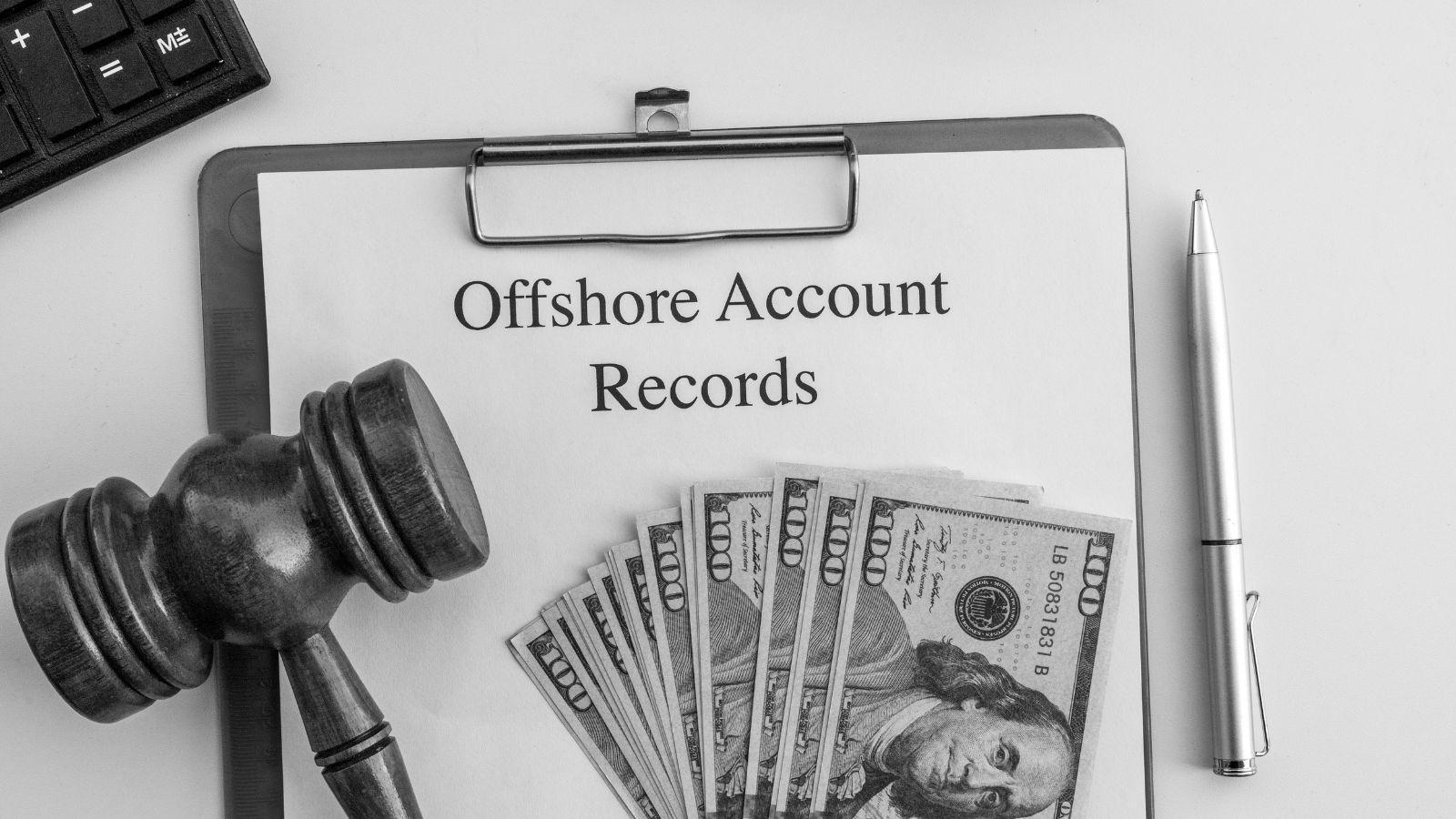
Moving abroad opens up a lot of financial decisions that most people don’t think about until they’re already in the middle of them. One of the more important — and often overlooked — is where to keep your savings. For expats living and working across Asia and beyond, an offshore savings account can be a practical tool for managing money across borders, protecting purchasing power, and keeping funds accessible no matter where life takes you next.
What Is an Offshore Savings Account?
An offshore savings account is simply a bank account held in a country different from where you currently live or where you hold citizenship. Despite the name, there’s nothing secretive or complex about it. These accounts are used by millions of expats, international business owners, and globally mobile professionals as a straightforward way to manage finances across multiple currencies and jurisdictions.
Popular offshore banking hubs in Asia include Singapore, Hong Kong, and the UAE — all known for their stable financial systems, strong regulatory frameworks, and expat-friendly banking infrastructure. Outside the region, jurisdictions like the Isle of Man, Luxembourg, and the Cayman Islands are also commonly used.
Why Expats Open Offshore Accounts
The reasons vary depending on personal circumstances, but a few motivations come up consistently.
Currency flexibility is one of the biggest draws. If you’re earning in Singapore dollars but sending money home in US dollars or euros, holding funds in a multi-currency account reduces the friction — and the conversion fees — of moving money around. Many offshore accounts allow you to hold multiple currencies simultaneously, which is especially useful for expats whose financial lives span more than one country.
Financial stability and asset protection is another factor. Keeping savings in a jurisdiction with strong banking regulations and deposit protection schemes adds a layer of security that not every country can offer. For expats based in markets with currency volatility or political uncertainty, this matters more than it might seem at first.
Ease of international transfers is also a practical concern. Offshore accounts are typically set up for high-volume cross-border transactions and offer better exchange rates, lower fees, and faster processing than domestic accounts in many countries.
Finally, for expats who move frequently or work remotely across multiple countries, an offshore account provides continuity — a stable financial base that doesn’t need to be restructured every time you relocate.
What to Look for When Choosing an Account
Not all offshore accounts are created equal, and the right choice depends on your specific situation — where you live, where you’re from, how you earn, and what you plan to do with your savings.
Interest rates and fees matter, though offshore accounts are not always known for paying high interest. The value tends to lie more in flexibility and access than in yield. That said, some providers offer competitive rates, particularly for higher balances or fixed-term deposits.
Minimum balance requirements vary widely. Some accounts require substantial deposits to open and maintain, while others are more accessible. It’s worth reading the fine print before committing, especially if you’re just starting out.
Online and mobile access has become a baseline expectation. Most reputable offshore banks now offer full digital access, which is essential for expats managing accounts from different time zones and locations.
Regulatory environment matters too. Accounts held in well-regulated jurisdictions offer clearer protections if something goes wrong. Stability and transparency in the banking system should be a non-negotiable factor in your decision.
The Tax Side of Things
This is where many expats get caught off guard. Holding an offshore savings account doesn’t mean your savings are invisible to tax authorities — in fact, for US citizens, it means additional reporting obligations regardless of where you live.
If you’re American, you’re required to report foreign financial accounts to the US government. If your combined offshore account balances exceed $10,000 at any point during the year, you must file an FBAR (FinCEN Form 114). There are also FATCA reporting requirements under Form 8938 that apply at higher thresholds. Failing to report can result in significant penalties, so staying compliant is just as important as choosing the right account.
For non-US expats, reporting requirements depend on your home country’s tax laws and any tax treaties in place with the country where your account is held. It’s always worth confirming your obligations before opening an account in a new jurisdiction.
For a detailed breakdown of account options specifically suited to American expats, the offshore savings account guide from Expat US Tax covers the landscape clearly and is a solid reference point for understanding both the financial and compliance sides of the decision.
Is an Offshore Account Right for You?
For most expats with a stable income, plans to stay abroad long-term, or money spread across multiple currencies, the answer is often yes. The operational benefits — easier transfers, currency flexibility, international accessibility — tend to outweigh the administrative effort of opening and maintaining the account.
The key is going in informed. Understand the fees, know your reporting obligations, and choose a jurisdiction that matches both your financial needs and your risk tolerance. Offshore banking isn’t a shortcut or a workaround — it’s simply a smarter way to manage money when your life doesn’t fit neatly within one country’s borders.
People Also Ask
Is it legal to have an offshore savings account? Yes, completely. Offshore accounts are legal financial tools used by expats, investors, and international professionals worldwide. The key requirement is that you properly report the account to your home country’s tax authority when required.
Do I have to pay tax on an offshore savings account? It depends on your citizenship and residency. US citizens must report and potentially pay tax on interest earned in offshore accounts regardless of where they live. Other nationals are subject to their own country’s rules and any applicable tax treaties.
Which country is best for an offshore savings account? It depends on your priorities. Singapore and Hong Kong are top choices in Asia for stability and accessibility. For US expats specifically, account options in FATCA-compliant jurisdictions are generally the safer and more practical route.
Can I open an offshore account remotely? Many offshore banks now allow remote account opening, though requirements vary. Some still require in-person visits or notarized documentation. Digital-first banks and fintech platforms have made this process significantly easier in recent years.
What happens if I don’t report my offshore account? For US citizens, failing to file an FBAR when required can result in penalties starting at $10,000 per violation for non-willful cases, and significantly more for willful non-disclosure. Other countries have their own penalty structures.
Frequently Asked Questions
What is the difference between an offshore account and a regular foreign bank account? The terms are often used interchangeably. Technically, any account held outside your home country qualifies as offshore. The distinction typically comes down to the jurisdiction — accounts in well-known financial centers like Singapore or the Isle of Man are more commonly referred to as offshore accounts.
Do offshore savings accounts offer interest? Yes, though rates vary by institution and jurisdiction. Offshore accounts generally prioritize flexibility and access over yield. Fixed-term deposit options within offshore banks tend to offer better rates than standard savings accounts.
Are offshore accounts safe? Accounts held in regulated jurisdictions with deposit protection schemes are generally considered safe. The key is choosing a reputable bank in a stable financial environment — not all offshore jurisdictions carry the same level of regulatory oversight.
Can US expats use offshore savings accounts? Yes, but with additional compliance requirements. US citizens must report foreign accounts to the IRS and FinCEN, and interest earned is still taxable. The accounts themselves are perfectly legal — it’s the reporting obligations that require attention.
How much money do I need to open an offshore account? Minimum requirements range widely — from a few hundred dollars with some digital banking options to $10,000 or more with traditional offshore banks. The right account depends on your balance, how frequently you transact, and what features matter most to you.
Disclosure: This article does not serve as legal or tax advice or a substitute for professional tax or financial consultation. The information provided is for general educational purposes only. Always consult a qualified professional before making decisions related to your financial or tax situation.