The modern casino doesn’t begin with neon lights or marble floors — it begins with a browser window. Platforms like Boomerang casino online operate in real time, across borders, without the physical constraints that once defined gambling. But that raises a question people rarely stop to examine properly: when did online gambling start, and how did it evolve into the global industry we see today?
The answer is not as simple as it was in the 1990s… The history of online gambling is tied to early Internet infrastructure regulatory experiments payment innovations and changes in consumer behavior. And yes here’s a curated look at how online gaming really got started what made it possible and why its grown faster than almost any other digital sector.
Before the Internet: The Foundation
Gambling itself is ancient. Lotteries existed in the Roman Empire. Card games spread through Europe in the Middle Ages. Land-based casinos became formalized in the 17th century.
But none of that answers when did online gaming start. For that, we need the internet — specifically, the point at which it became commercial and accessible to the public.
The critical period is the early 1990s. Before then, the internet was largely academic and governmental. There was no practical framework for real-money transactions between private individuals and businesses.
Two developments changed everything:
- The commercialization of the World Wide Web (1991–1993)
- The creation of secure online payment protocols
Without secure payments, gambling online would have been impossible.
1994: The Real Starting Point
If we’re being precise about when did online gambling start, the key year is 1994.
That year Antigua and Barbuda passed the Free Trade and Processing Act that allows companies to apply for a license to operate online casinos. This legal framework gave operators something crucial: legitimacy.
Also in 1994, Microgaming — one of the first online gaming software providers — was founded. They developed the first fully functional online casino software.
By 1996, there were approximately 15 online gambling websites. By 1997, that number had grown to around 200.
The growth wasn’t gradual. It was exponential.
Why the 1990s Were Perfect Timing
Three forces converged:
1. Expanding Internet Access
Home computers became common in Western households. Dial-up connections were slow, but sufficient for simple card and slot games.
2. Secure Payment Technology
SSL encryption made credit card transactions viable online. Without that, real-money betting wouldn’t have survived beyond experimentation.
3. Regulatory Gray Areas
Most countries had not yet defined laws around internet gambling. Operators could license offshore and offer services internationally.
The result: rapid industry expansion before regulators fully reacted.
Early Online Casinos: What They Actually Looked Like
It’s easy to imagine sleek live dealer studios, but early platforms were simple.
- Static 2D graphics
- Basic slot mechanics
- RNG-based table games
- No live streaming
- Limited customer verification
There were no mobile apps. No streaming baccarat. No real-time dealers.
The user experience was primitive — but functional.
That functionality was enough to prove demand existed.
Regulation and Pushback
As growth accelerated, governments responded.
In 2006, the United States passed the Unlawful Internet Gambling Enforcement Act (UIGEA), that restricts financial transactions related to online gambling. Major publicly traded operators withdrew from the U.S. market.
But the global industry did not collapse. It adapted.
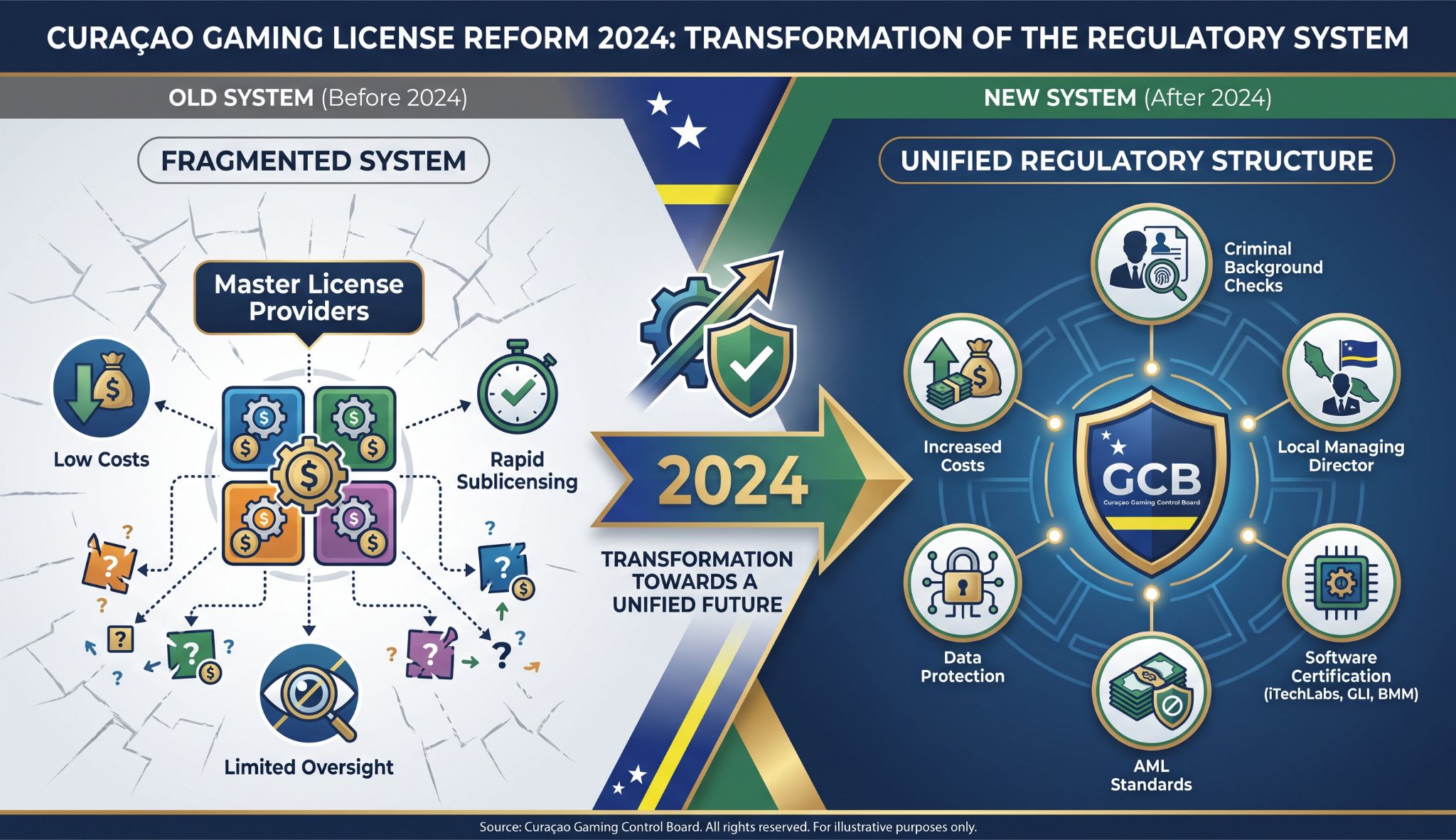
European jurisdictions began creating structured licensing frameworks. Malta, Gibraltar, and the Isle of Man became central regulatory hubs.
The industry matured from loosely organized offshore operations into compliance-driven enterprises.
The Rise of Instant Games and Localization
As the market matured operators BEGAN to design products according to specific regions and player preferences.
Guess what? Crash games, multiplier games and physics-based formats have gained significant traction. Titles like Plinko, a TV-inspired ball-throwing mechanic have become particularly popular in certain markets.
For example, the German-speaking segment saw growth in localized versions of the format, reflected in platforms focused on plinko deutschland.
This points to a broader trend: online gambling has evolved from generic global offerings to hyperlocal ecosystems…
Language, organization and payment settings now determine the design of the platform.
The Modern Industry: Data, Compliance, and Scale
Today’s online gambling market is structured and data-driven.
Key characteristics include:
- Licensed operators under strict regulatory frameworks
- Advanced identity verification (KYC)
- Anti-money laundering compliance
- Real-time fraud monitoring
- Responsible gambling tools
The early era of loosely regulated experimentation is largely over in major markets.
The industry is now measured in billions of dollars annually, with Europe and Asia leading revenue generation.
Common Misconceptions About Online Gambling History
“It started recently.”
No. The industry is over 30 years old in licensed form.
“It grew slowly.”
It didn’t. Growth was rapid in the late 1990s and early 2000s.
“Technology drove everything.”
Technology enabled it — but regulation and payment systems were equally important.
“Online replaced land-based casinos.”
Not exactly. In many markets, the two coexist. Some operators run both.
So, When Did Online Gaming Start?
If we want a precise answer:
- The legal foundation began in 1994.
- The first functional online casinos appeared in the mid-1990s.
- Mainstream visibility surged in the early 2000s.
- Mobile transformation occurred in the 2010s.
The question “when did online gambling start” depends on what you consider the true beginning:
- The first licensed operator?
- The first real-money wager?
- The moment it reached mass adoption?
Historically speaking, 1994 is the most defensible starting point.
The Short Version
The history of online gambling isn’t a single event — it’s a sequence:
- Internet commercialization
- Legal licensing frameworks
- Secure payment systems
- Software innovation
- Mobile accessibility
- Live streaming integration
What began as a technology experiment in the mid-1990s has evolved into a regulated global industry that operates 24/7 across continents.
Online gambling did not appear overnight. It has evolved along with the modern internet itself.
And understanding the beginnings of online gambling isn’t just trivial information—it explains why the industry looks the way it does today: regulated, data-driven, mobile-first, and structurally very , very different from the early days of phone casinos.
You know what? Velvet ropes were never the goal. Infrastructure was.