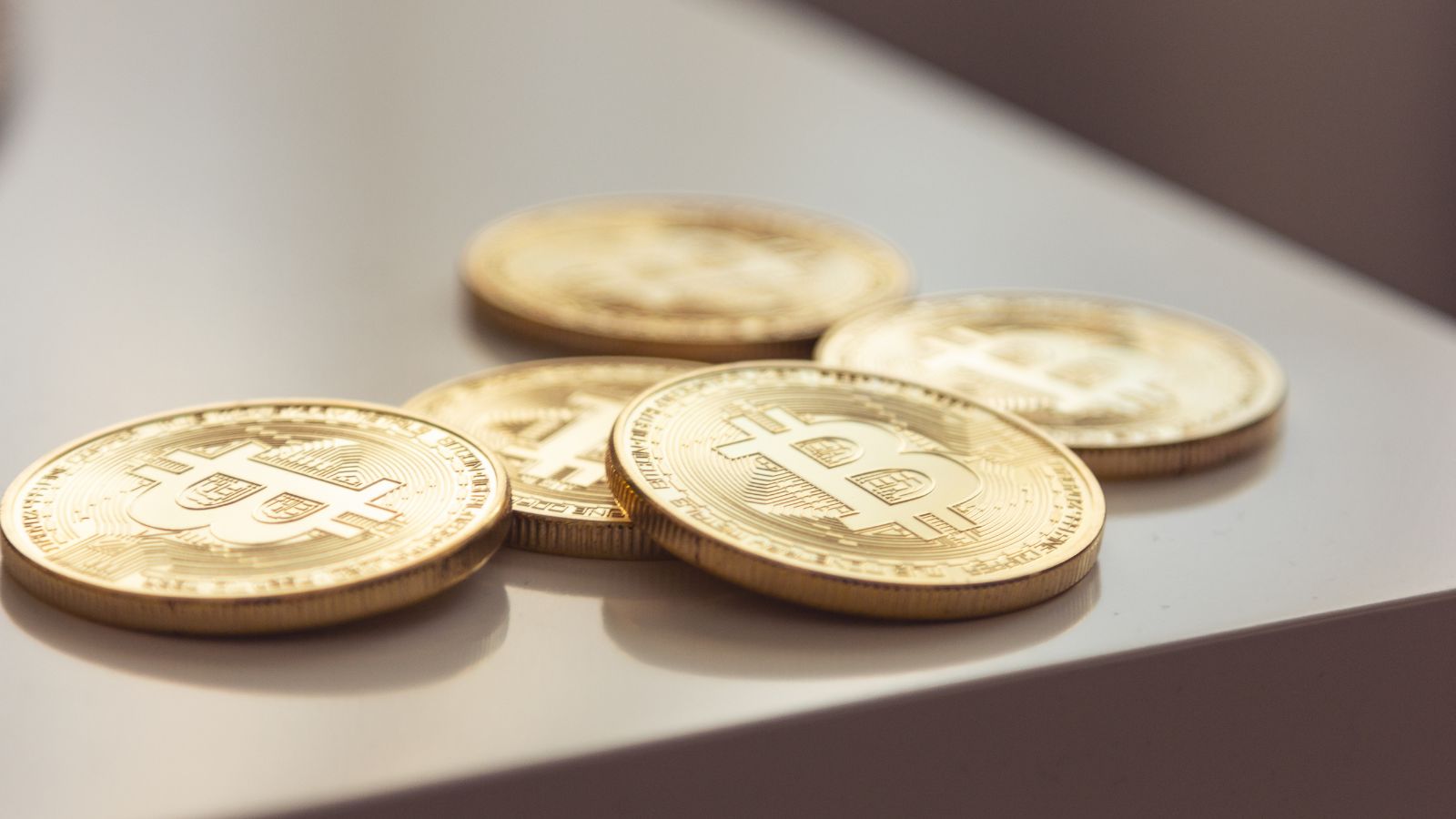
When Two Financial Worlds Start to Converge
Over the years, the old finance and crypto worlds appeared to be in two entirely different worlds. Regulatory frameworks were well established, as banks, stock exchanges, and other financial institutions operated in well-structured markets, and the crypto markets began to develop fast on a decentralized system, which is driven by blockchain technology.
Still, that division is dissolving fast.
In the last several years, big institutions, hedge funds, and fintech companies began to take the issue of digital assets much more seriously. Regulatory frameworks are being developed by governments, and traditional financial entities are looking at blockchain-based settlement systems.
The magnitude of action already brings to focus the importance of this integration. A CoinGecko report published recently indicated that centralized exchange volume traded during Q3 2025 was at 5.1 trillion, indicating positive growth and demand to persist in the digital asset markets.
Meanwhile, blockchain analytics companies, such as Glassnode, keep declaring an increase in institutional involvement in crypto markets, which suggests that digital assets are here to stay and would now constitute an inseparable part of the global financial system.
This is precisely when hybrid platforms are coming up as the two worlds start coinciding.
What Exactly Is a Hybrid Trading Platform?
A hybrid trading platform is simply a platform that incorporates the aspects of the old-fashioned financial exchange with blockchain technology.
Conventional markets are based on infrastructural centralization. Stock exchanges complete trades using order-matching engines, transactions are cleared in clearinghouses, and assets are protected by custodians. All things flow via institutionalized outlets.
Hybrid platforms are trying to combine these two approaches.
Rather than make users make a decision between conventional systems and blockchain technology, hybrid trading environments provide both. They offer the well-known framework of regulated transactions and include blockchain settlement, trading digital assets, and tokenized markets.
Why Hybrid Financial Infrastructure Is Emerging Now
The popularity of hybrid platforms is not by chance. There are a number of key trends driving the financial industry in this direction.
Digital Assets Institutional Interest.
Institutional adoption is one of its largest drivers. Diversified portfolios, digital assets are increasingly discussed as major investment firms and asset managers begin to pursue them.
Nonetheless, institutions need secure trading infrastructure, compliance with regulations and good custody solutions. The hybrid platforms offer precisely that: combining systems of institutional grade with blockchain innovation.
Epic Surge in Cryptocurrency Market Activity.
Cryptocurrency trading in markets has increased significantly within the last several years. According to the data provided by CoinGecko, the volume of the perpetual futures market is already greater than 86 trillion in the year 2025, and it is one of the most powerful years in the history of the digital asset markets.
This is because such massive volumes of trading indicate that the crypto markets are no longer experimental, rather, it is now a significant component of worldwide financial activity.
Pressures to have Faster and More Efficient Markets.
Old fashioned financial systems usually depend on processes of settlements which take a number of days before being completed. The blockchain technology, on the other hand, enables the processing of transactions in minutes.
Hybrid platforms have merged the rapidity of blockchain settlement and the advanced trading instruments found in conventional financial markets.
How Hybrid Trading Platforms Are Built
Though hybrid platforms are similar to the traditional exchanges in terms of the external appearance, they are very different in terms of internal architecture. There are a number of fundamental elements that act in harmony to integrate traditional and blockchain-powered systems.
High-Performance Trading Engines
The order-matching engine lies in the core of any trading platform. This system accepts buy and sell orders and trades are executed at high speed.
Hybrid platforms use powerful centralized engines capable of handling high trading volumes and rapid market activity. These engines allow traders to execute orders across multiple asset types, including cryptocurrencies, tokenized assets, and derivatives.
Speed and reliability are critical because institutional traders expect the same level of performance they would find in major stock exchanges.
Blockchain Settlement Systems
While the trading process may occur on centralized infrastructure, settlement often happens on blockchain networks.
Blockchain settlement provides several advantages:
- Transparent transaction records
- Reduced settlement times
- Lower counterparty risk
- Greater auditability
Rather than fully using clearinghouses to verify and finalize transactions, blockchain networks have the potential to automatically verify and complete transactions with the help of smart contracts.
This hybrid approach of centralized trading and decentralized settlement is the key to the uniqueness of hybrid platforms.
Secure Custody Solutions
Another major part of the architecture is security.
Financial institutions that are traditional make use of custodians to protect assets. In the crypto markets, however, most users tend to keep the coins in their own custody in personal wallets.
Hybrid platforms normally provide both of them. Secure custodial services can be offered to institutional investors, where more experienced crypto users can choose to take control of their wallets.
The most common security controls used in the protection of digital assets include advanced security features like cold storage, multi-signature wallets, and hardware security modules.
The Role of Crypto Exchanges in Hybrid Markets
The digital asset ecosystem will have crypto exchanges as its backbone. These platforms have developed over time to much more than trading interfaces.
Modern trading can offer a broad spectrum of functions such as derivatives trades, staking, lending, and tokens listings. To a great extent, they can be regarded as complete financial ecosystems.
In hybrid financial models, exchanges have a number of significant functions:
- They are the liquidity centres that bring buyers and sellers together in the international markets.
- They also offer fiat entry points, where people can exchange conventional currencies into digital ones.
- They endorse blockchain technology through the listing of novel tokens and decentralized applications.
The transition to more elaborate financial infrastructure is seen in websites such as XBO.com. Instead of being a trading platform, XBO.com symbolizes the further development of crypto exchanges as the environment where digital assets access, trading instruments, and new blockchain applications can be integrated into a safe and scalable setting.
This form of infrastructure is necessary because financial markets are still merging.
Tokenization: Connecting Real Assets to Blockchain
The other key contributing factor to the emergence of hybrid platforms is the increase in the popularity of tokenization.
The process of digitizing real-life assets into blockchain-based digital tokens is called tokenization. Such tokens may include the ownership of property like real estate, commodities, works of art or even shares of the company.
When tokenized, these assets may be traded in the global market via digital platforms.
An example of this can be in a piece of real estate, which could be split into thousands of tokens that can be bought by the investors as a fraction. This strategy reduces barriers of entry and liberalizes markets to more participants.
Hybrid trading platforms also grant the infrastructure that facilitates the new nature of assets without compromising regulatory compliance and trading efficiency.
Conclusion
The financial sphere is changing significantly, and the intersection of traditional finance and blockchain technology is going to happen. Hybrid trading platforms are taking the place of the gap between these two ecosystems.
Through an integration of the security and compliance frameworks of conventional markets and the velocity and openness of blockchain systems, these platforms deliver an insight into what the future of finance might appear like.
The demand for integrated financial infrastructure will only rise as the number of people adopting digital assets increases and tokenized markets grow. Websites capable of effectively integrating trading instruments, secure custodianship, and blockchain innovation like XBO.com are bound to contribute significantly to the creation of the new era in the financial markets of the world.