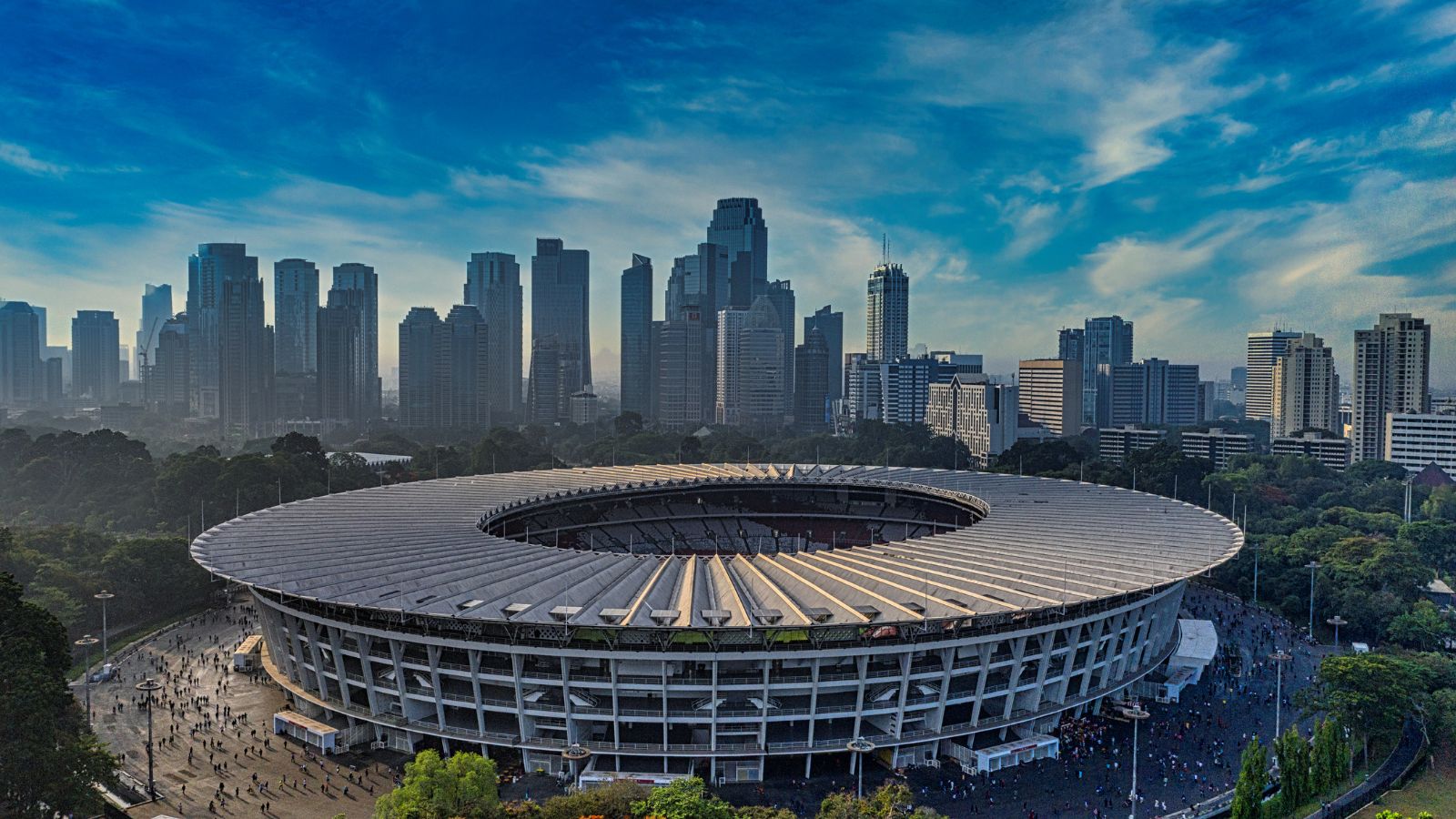
Building a modern, multi-purpose stadium is an engineering and financial undertaking that, in today’s reality, rarely closes at an amount below one billion dollars. In an era of rising inflation, disrupted supply chains, and skyrocketing costs of construction materials, the question of who should bear this gargantuan burden is becoming one of the most inflammatory topics in local politics worldwide. Should taxpayers subsidize luxury arenas for private sports teams, or should the weight rest solely on the shoulders of the billionaires who own the clubs?
This debate is not new, but its parameters underwent a radical change in the mid-2020s. In the past, local governments often allowed themselves to be seduced by promises of a “multiplier effect” that would magically revitalize the local economy. Today, armed with decades of data, economists and urban planners are significantly more skeptical. Cities are looking for more creative, hybrid ways to form partnerships. The model from Nevada is becoming a benchmark here, where the boundaries between different forms of entertainment have been blurred, and the pressure for innovation is immense.
When planning investments, urban planners must remember that a modern stadium no longer competes only with another sports facility in a neighboring city, but with the entire digital ecosystem available in every fan’s pocket. In an age where high-quality entertainment is instantaneous and platforms like a vegas casino offer excitement and interaction at one’s fingertips without having to leave home, the physical arena must offer a “premium” experience impossible to replicate digitally. This competition with the online sector forces the construction of facilities that are technological marvels, which paradoxically drives costs even higher and complicates financing models.
In this article, we will look at the evolution of these models—from controversial full public subsidies, through public-private partnerships (PPP), to the fully commercial model that is redefining the relationship between the city and the club.
The Illusion of the Economic Multiplier and the Public Debt Trap
For years, the standard argument of public stadium financing proponents was the thesis that a sports facility acts like a magnet: it attracts tourists, creates thousands of jobs, and revitalizes dead urban zones. Economic reality often verifies these assumptions negatively. Independent analyses have repeatedly shown that the “substitution effect” cancels out most projected gains.
Money spent by local residents on tickets, hot dogs, and club souvenirs is rarely “new” capital in the region. Usually, these are funds simply shifted from other forms of local entertainment—instead of going to the cinema, theater, or a local restaurant, a family goes to a match. For the city, this means zero net economic growth, merely a transfer of funds from one sector to another.
Furthermore, the quality of the jobs created leaves much to be desired. Most stadium positions are low-paying, seasonal, and casual (security, cleaning, catering), which do not build lasting middle-class prosperity. Despite this, politicians often decide to subsidize construction, acting under the pressure of emotional blackmail. The threat of moving a beloved team to another city forces local governments to compete with tax breaks, free land, and direct cash grants. It is a race to the bottom where the club wins and the city budget loses, often burdened with bond repayments for decades.
Evolution Toward the Private Model and Risk Calculation
In response to growing social resistance against spending public money for private profits, we are increasingly observing a shift toward fully private or hybrid models. An example is SoFi Stadium in Los Angeles—a monumental investment financed privately, but with the quiet assumption that the city would provide the necessary road infrastructure and not impose bureaucratic barriers.
In this scenario, the dynamics of risk and reward are clear. The investor takes on billions in loans but, in exchange, retains 100% of the revenue. They do not have to share profits from Naming Rights, VIP box rentals, or hosting pop star concerts with the city. To better understand the differences between these approaches, we have prepared a summary of key financial risk areas:
| Risk / Profit Area | Public Model (Traditional) | Private Model (Modern) |
| Construction cost overruns | Risk borne by the taxpayer (frequent contract amendments) | Risk borne by the investor/club owner |
| Naming Rights | Often shared or designated for city debt repayment | 100% of profit goes to the club’s treasury |
| Maintenance and renovations (CAPEX) | Subject of constant political disputes and underfunding | Clearly defined owner’s operating budget |
| Profits from non-sporting events | Often go to an external operator | Fuel the club’s budget, increasing its valuation |
This table shows a fundamental shift: the private model is more transparent and market-fair, but it requires club owners to have enormous financial liquidity and a long-term business vision.
The Stadium as a Development Anchor and the Specter of Gentrification
Contemporary stadiums are rarely designed as lonely islands in a sea of concrete parking lots. In 2026, the concept of “Sports-Anchored Development” dominates. The stadium becomes the heart, or the “anchor,” of a massive development project including luxury apartment buildings, Class A office buildings, hotels, and shopping centers.
For private investors, this is the key to the profitability of the entire venture. The stadium itself—with its enormous maintenance costs and limited number of match days per year—may operate on the edge of profitability. However, the increase in land value within a kilometer of the arena generates profits that cover the construction costs of the pitch many times over. Club owners become developers, earning not from tickets, but from rents.
For the city, this is a double-edged sword. On one hand, neglected post-industrial districts gain new life, and property tax revenues grow. On the other hand, this process leads to rapid gentrification. Local communities, small businesses, and long-term residents are often pushed out of the neighborhood by drastically rising rents and living costs. Balancing revitalization with the protection of the social fabric is currently the greatest challenge for urban planners approving new arenas.
A New Social Contract Between the Club and the City
Looking to the future, we see the formation of a new social contract. Cities are ceasing to be ATMs for billionaires and are becoming partners demanding specific community benefits (Community Benefits Agreements). Modern stadium construction contracts increasingly include clauses regarding the mandatory hiring of local residents, funding sports programs for youth, building affordable housing in the stadium’s vicinity, and rigorous ecological standards.
Stadium financing has ceased to be a simple construction transaction. It has become a complicated operation on the living organism of the city, where success is measured not just by the score on the scoreboard, but by how the investment integrates into the urban fabric over the next 30 years of the facility’s operation.