Financial technology (fintech) has completely revolutionised how people, businesses and other organisations in Kuwait manage their money.
Read on as we analyse how digital wallets, real-time transfers and virtual accounts have become mainstays in the payment ecosystem.
From Cash to Code: Kuwait’s Payments Makeover
Fintech firms have played a key role in pushing cash transactions out of the picture in the Middle Eastern nation.
According to regional reports, electronic withdrawals across digital platforms in the Kingdom in 2023 amounted to around KD 45.795 billion, an 8.5 percent jump from KD 42.181 billion in 2022.
Point-of-sale (POS) payments also rose to KD 17.519 billion, while online payments recorded a notable 18.9% climb to KD 17.553 billion from the previous year. These numbers show how electronic payments have become the go-to route for online transactions and everyday expenses.
Kuwait’s demographic has also been key to this shift. The country boasts a young, tech-savvy populace, allowing fintech firms and banking tools to permeate the country.
Several surveys have shown that Kuwaitis are willing to adopt fintech solutions. This factor, alongside the government’s supportive regulations, has spurred a payments revolution.
Banking Institutions Unlock Fintech Infrastructure
Fintech start-ups were not the only actors behind the payment revolution. Established banks have also been key, especially after opening their system to fintech innovators.
The National Bank of Kuwait (NBK) recently launched a variety of fintech services designed to enable licensed e-Wallet providers and digital businesses to thrive. They will offer services such as Virtual IBANs (VIBANs), secure APIs, BIN sponsorship and QR-code-driven cash withdrawals.
This kind of institutional backing is pivotal to payments, as it gives fintech players access to NBK’s well-known, trusted systems, allowing start-ups to build compliant, scalable solutions. Fintech companies can now innovate without having to deal with regulatory grey zones.
While other tech ecosystems across the globe have been preaching the disruptor model, this collaboration between traditional banking institutions and nimble fintech firms has opted for integration.
Instead of competing with the banks, fintech start-ups have used them to establish their legitimacy. Meanwhile, the banks capitalise on their agility, modern approach and new marketing tactics.
Opportunity Ahead: Fintech, iGaming, and the Unregulated Frontier
As Kuwait’s fintech players grow in stature, they may begin seeking new opportunities in exciting frontiers such as iGaming.
While Kuwait continues to frown upon all forms of gambling, some neighbouring countries have been to soften their stance on the topic.If regulations in Kuwait evolve, fintech companies will be able to offer seamless payment and withdrawal services for iGaming players.
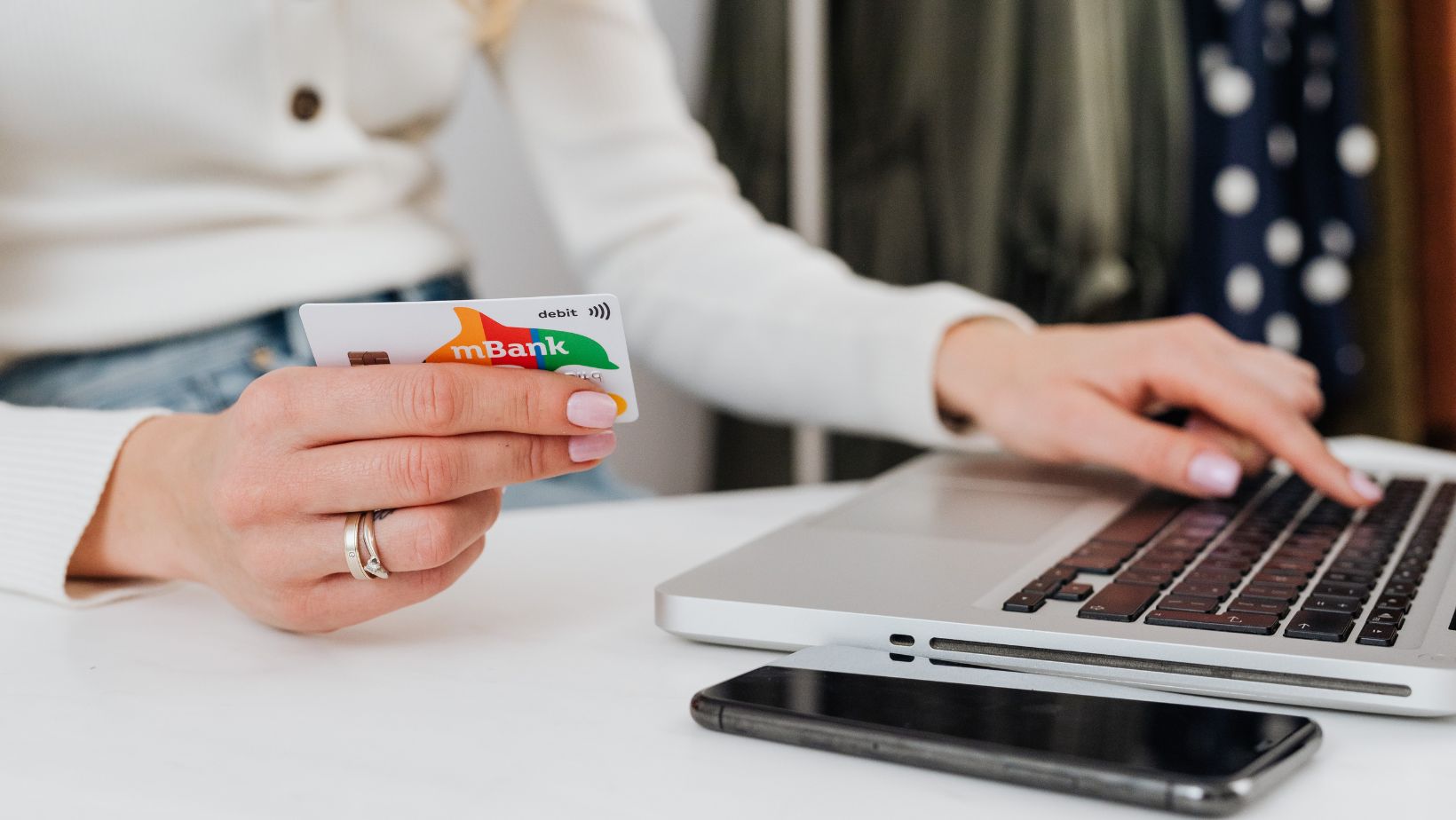
When players visit an online casino, they can make instant deposits using digital wallets that support cryptocurrencies and international transfers. Fintech-enabled iGaming could become a key source of revenue for a Kuwaiti economy that has traditionally been reliant on hydrocarbons.
A switch in stance from the Kuwait authorities on iGaming will unlock value for different stakeholders. Companies that secure early mover advantage stand to benefit immensely alongside banks that expand their digital services. Entrepreneurs and consumers will also cash in.
If Kuwait handles regulation responsibly, iGaming payments can become another growth driver for the country’s fintech players.
Kuwait vs United States: A Tale of Two Markets
To better understand the payment revolution in Kuwait, it makes sense to compare it with the United States (US) – a well-established, high-volume digital payments market.
Recent data from the US shows that 78% of adults used digital payments in 2023. In-store use of digital wallets has also increased.
According to McKinsey & Company, in-app payments are very common, registering 60% adoption in mobile apps, as in-store digital wallet use rose from 19% in 2019 to 28% in 2024.
Data showing the US’ transaction volume also reveals that digital payments have become part and parcel of everyday American life. The US digital payments market reportedly recorded a payment volume of about US$ 2.04 trillion, with expectations that this figure will rise considerably by 2027.
Kuwait’s total payment volume is lower, but the growth trajectory and adoption rates are similarly positive.
It is also important to note that the US is a mature commercial market. Kuwait is mid-inflexion, gaining mass adoption, changing habits and building its infrastructure in real time.