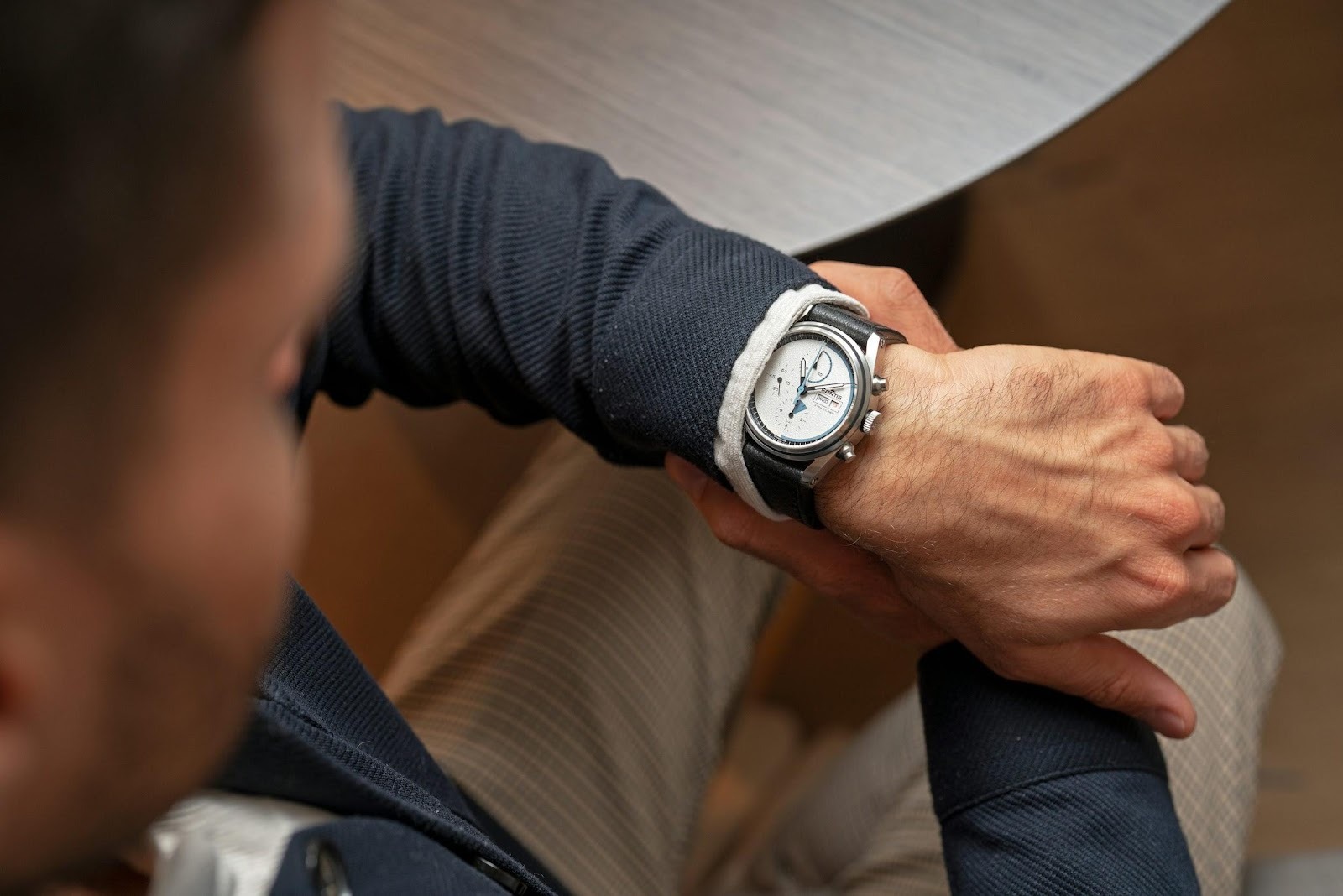
Image source: https://unsplash.com/photos/a-man-wearing-a-watch-BPQgHUlu9iM
Open banking has been shaking up the finance world with its focus on speed, transparency, and data sharing. But luxury assets operate in a slower, more specialized environment.
So the big question is whether high-end collateral, like watches or jewelry, can actually fit into these new digital workflows without losing the care and verification they require.
Spoiler: they can, but the process needs the right blend of tech and expertise.
Why Open Banking and Luxury Collateral Seem Far Apart
Luxury collateral lending has always relied on hands-on evaluation, expert authentication, and trust. These steps take time, while open banking is all about instant access to financial data.
At first glance, the two feel mismatched. Open banking tends to streamline traditional lending, not assets that require physical inspection.
To move luxury items into these systems, lenders have to adapt their underwriting and onboarding processes.
Some modern lending research, like insights from Finastra, suggests that digital transformation in lending depends on better orchestration across data, identity, and risk workflows. That’s exactly the kind of structure luxury lenders need if they want to keep pace.
Where They Can Actually Work Together
Luxury collateral lenders are starting to borrow ideas from fintech. They cannot digitize the physical item, but everything around it can move into an open banking style flow.
Here are a few areas where the fit makes sense:
• Faster identity and banking verification
• Clearer risk profiles using shared data
• Simpler repayment and monitoring tools
These steps clean up the process so the lender can focus on authenticating the asset itself.
How Open Banking Improves the Experience
If you look at the open banking trends highlighted by FinTech Magazine, the real power comes from blending human and digital processes. That matches luxury collateral lending nicely. The high-touch part stays, while everything else gets faster.
In practice, borrowers enjoy quicker approvals, smoother communication, and fewer documents to chase. Luxury lenders, meanwhile, reduce friction around fraud checks and income verification.
Somewhere in this workflow, it also becomes natural for borrowers to explore services like a Rolex loan service when they want to unlock liquidity.
What Still Needs Careful Handling
Luxury collateral does not become plug-and-play just because a lender adopts open banking.
There are still important gaps to manage:
• Physical authentication takes time
• Insurance and storage depend on item type
• Market value can shift based on uniqueness
Some fintech analysts, like those featured by Innowise, point out that AI-driven underwriting and expanded data sharing help reduce uncertainty. Still, the asset itself needs expert eyes, no matter how advanced the workflow.
The Future: Hybrid Lending Gets Smarter
As financial APIs mature and regulations tighten, more lenders will blend traditional appraisal with digital onboarding.
Luxury collateral absolutely can fit open banking workflows. It just fits best in a hybrid model, where digital rails handle the busywork, and experts handle the item itself.
As more lenders modernize, borrowers will see faster, more transparent options for unlocking value from high-end assets.