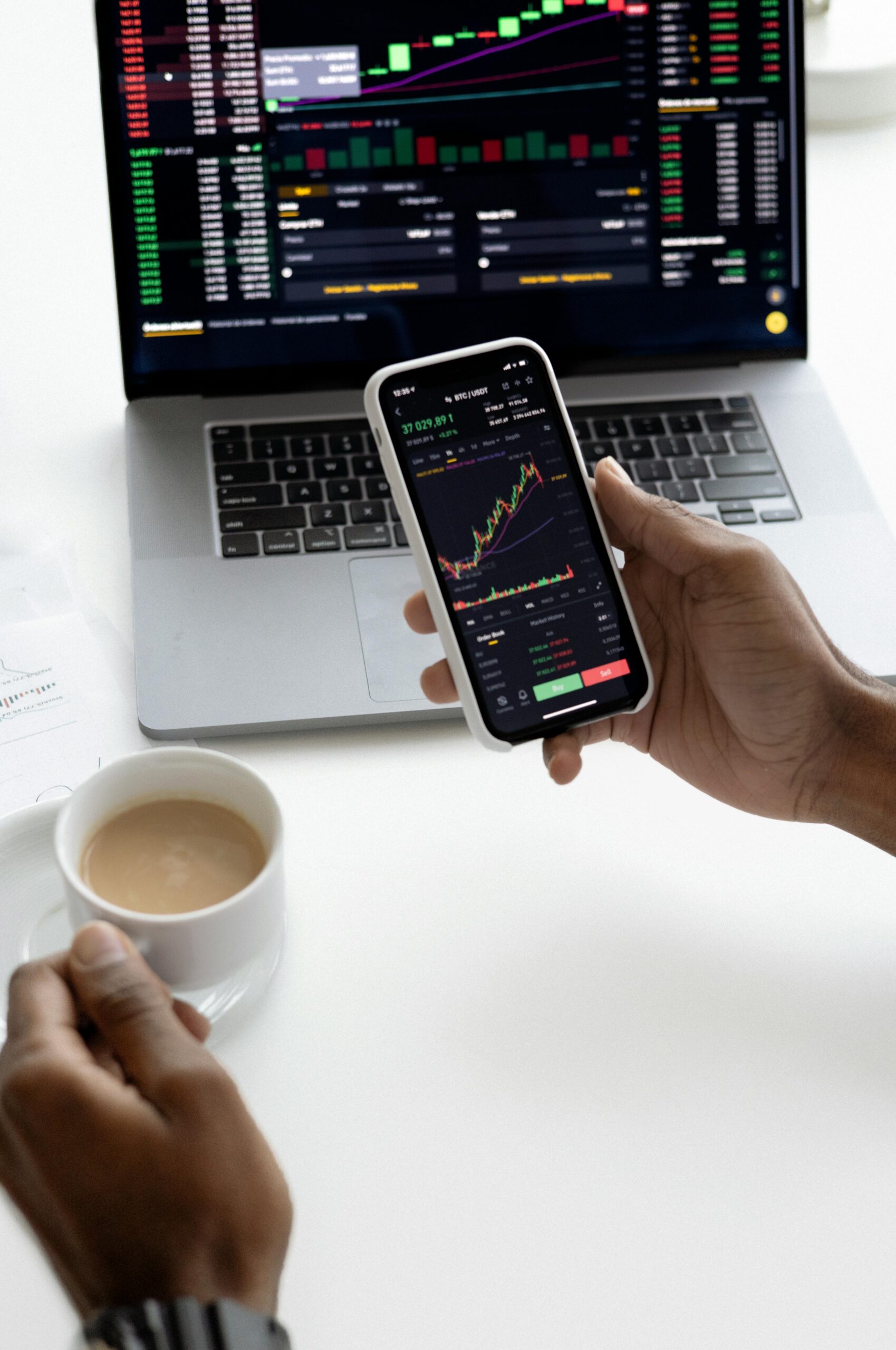
There was a time when algorithmic Forex trading felt like a specialist’s game. It lived inside institutional desks, quant teams, and private systems built far away from the retail crowd. That gap has narrowed. AI bots have changed the structure of access, but more importantly, they have changed the structure of decision-making.
That is the real story here.
The modern Forex market moves too fast for manual pattern recognition to carry the full load. Experienced traders already understand this. The challenge is no longer finding information. The challenge is filtering market noise, ranking signals, and acting with discipline when price action becomes messy. AI bots sit right inside that pressure point. They process streams of market data, detect repeatable conditions, and execute logic without the emotional drag that often weakens human performance.
Used correctly, these systems do far more than automate entries and exits. They create a framework for structured execution. They turn trading rules into repeatable behavior. In a market where timing and consistency shape outcomes, that shift matters.
Why Bot Quality Matters More Than Bot Hype
The rise of automation has created a familiar problem. As more tools enter the market, the difference between a serious system and a shallow one becomes harder to spot at first glance. That is why the first question should never be whether a bot uses AI. The real question is whether the bot is built on reliable logic, stable infrastructure, and risk-aware execution.
High-quality AI bots for forex trading matter because Forex is unforgiving toward weak automation. A bot that reacts too slowly, overfits historical behavior, or misreads liquidity conditions can damage a strategy faster than a human trader with a flawed plan. Speed alone is not enough. Pattern recognition alone is not enough either. What matters is how those capabilities work together under live market conditions.
Reliable systems usually show their value in less glamorous ways. They maintain a disciplined position handling. They manage entries with context. They apply strategy rules with consistency when volatility expands and when price moves sideways. That operational quality fits naturally into the broader role AI now plays in Forex. Automation is shaping the market because it reduces friction between analysis and action. That only works when the bot itself deserves trust.
From Signal Detection to Structured Execution
The strongest use case for AI in Forex is not prediction in the dramatic sense. It is signal organization.
Currency markets generate layers of information at all times. Price movement, spread changes, volatility clusters, session behavior, and reaction to macro headlines all compete for attention. Human traders can interpret this well, but only up to a point. AI bots extend that capacity by monitoring multiple variables continuously and assigning weight to what matters most within a defined model.
That matters because good trading often depends on context, not isolated setups.
A moving average crossover means one thing during quiet Asian session trading. It can mean something very different during a fast London open. AI-driven systems can learn to treat these moments differently. They can classify conditions, compare current behavior with prior market structures, and decide whether execution still fits the strategy’s logic. This is where automation becomes more useful than simple rule-based scripting.
Execution also improves when the system connects analysis directly to action. A disciplined bot can wait for confirmation, size the trade according to current conditions, and adjust exposure when the market shows instability. This kind of structured workflow reduces hesitation. It also reduces the common habit of forcing trades when the setup is weak.
The Discipline Advantage in a Market Built on Pressure
Most experienced traders eventually reach the same conclusion. Strategy matters, but behavior decides whether the strategy survives.
Forex trading places constant pressure on behavior. A trader may understand the setup, respect the larger trend, and still break the process because of impatience or frustration. AI bots bring value here because they enforce rule adherence in a way humans rarely sustain over long periods. They do not chase the market after a missed move. They do not widen stops because of hope. They do not reinterpret a bad setup simply because the previous trade lost.
This mechanical discipline is one of the strongest arguments for automation. It creates continuity between design and execution. That continuity becomes even more valuable in algorithmic environments where edge often comes from marginal improvements, not dramatic insights.
There is also a workload advantage. Traders using AI bots can spend more time on framework review and less time on repetitive monitoring. That changes the nature of the job. Instead of staring at screens waiting for familiar patterns, they can evaluate model performance, refine filters, and test how the strategy behaves across different market regimes. In practice, this often leads to better decisions because attention moves away from impulse and toward process evaluation.
AI Bots Work Best When Traders Respect Their Limits
For all their strengths, AI bots are still tools operating inside boundaries. They learn from data, but they remain dependent on the assumptions built into their design. This is where experienced traders separate useful automation from marketing fantasy.
A bot can identify patterns with speed and consistency. It cannot magically erase structural market uncertainty. Currency markets change tone when central bank expectations shift, when geopolitical stress rises, or when liquidity dries up in unexpected ways. A model trained on one type of market behavior may struggle when the environment changes sharply. That is why oversight still matters.
The best trading setups usually combine automation with human judgment at the portfolio or framework level. The bot handles surveillance and execution. The trader evaluates whether the current market still suits the system’s logic. That balance is practical and realistic. It also protects against a common mistake, which is treating AI as autonomous intelligence rather than applied decision support.