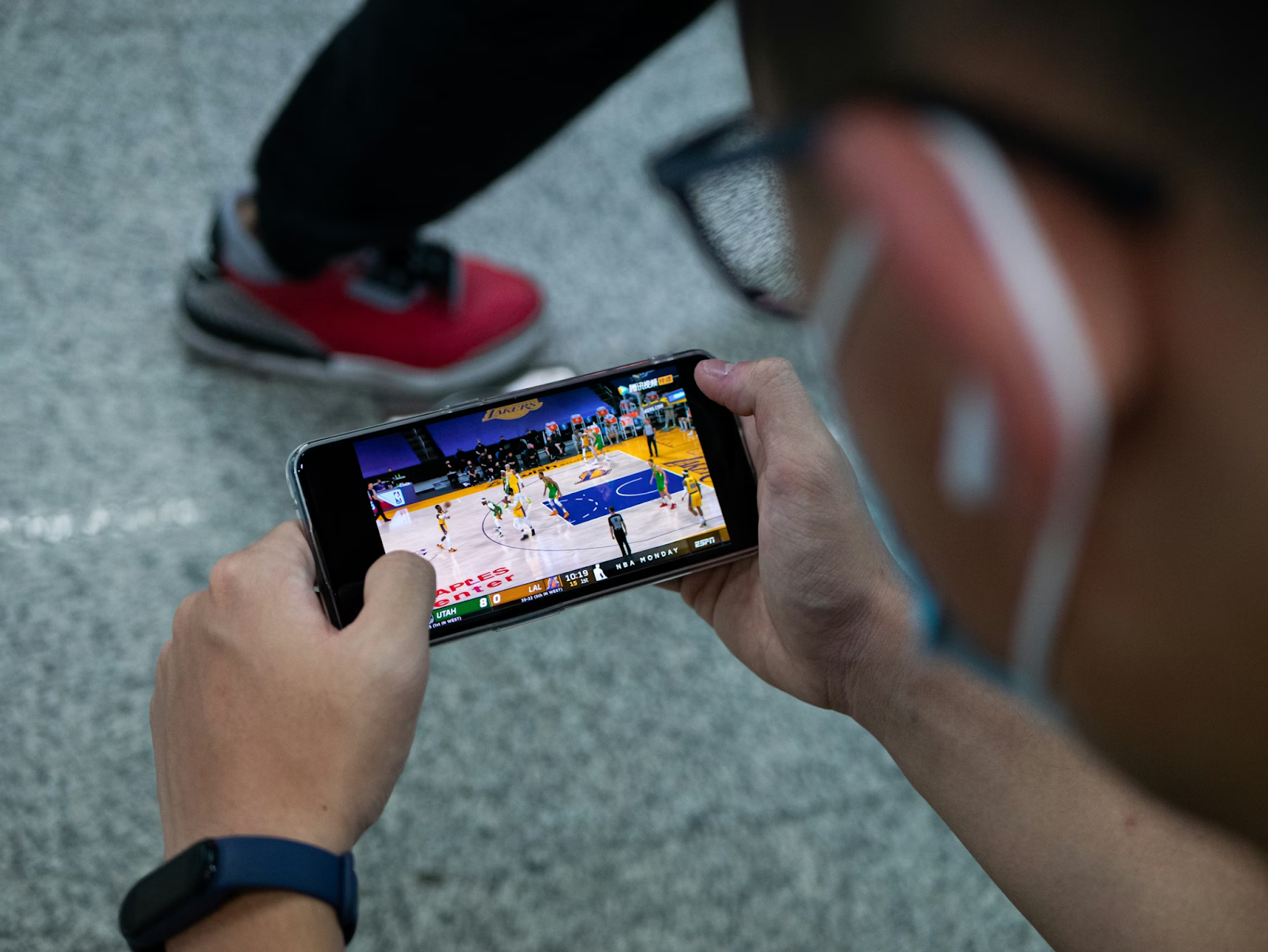
Walk into any Canadian sports conversation right now and you’ll hear the same thing in different accents: the game is everywhere. It’s in group chats during intermission. It’s in commute-time highlight clips. It’s in live stats that explain a momentum swing before the announcer does. The stadium is still the stadium, but the “sports experience” has grown a digital layer that follows people through their day.
That digital layer is where inclusion stops being a nice idea and becomes a practical advantage. If more kinds of fans can comfortably watch, discuss, play along, and pay for what they love, the market expands without needing to shout louder. And when interactive features are part of the experience, it helps to point users toward clear, non-judgmental support and safety resources, such as the RG Canada page, as part of a broader commitment to responsible design.
Inclusion is not a campaign, it’s a product decision
“Inclusion” can sound abstract until you attach it to real moments. A first-time fan tries to follow a new league and gets hit with unexplained jargon. A newcomer wants captions but can’t find them. A user on a tight data plan opens a live stream and the app chews through their month in ten minutes. None of those people are thinking about inclusion. They’re thinking: “This isn’t for me.”
The Canadian market makes these moments more visible because national-scale products quickly meet bilingual expectations, regional rhythms, and different ways people participate. Some want deep analytics, others want a story and a vibe. A single “default fan” persona will miss more people than it serves.
The upside is that inclusive design often pays twice. It makes experiences better for underserved users, and it reduces friction for everyone. Clear navigation helps power users too. Captions help commuters and parents. Simpler onboarding helps the entire funnel. The same improvements that welcome more people also improve retention metrics.
Community is where inclusion becomes real
Sports is social, even when people watch alone. That makes community features both your strongest retention tool and your biggest inclusion risk. A platform can be technically accessible yet feel hostile if new fans are dismissed or harassment ignored.
Good community design starts with clear norms. Not walls of text, but visible signals that shape behaviour: easy reporting, fast moderation, and prompts that encourage constructive replies. It’s also about rewarding the right activity. If the product boosts outrage, you’ll get outrage. If it highlights helpful explainers and respectful debate, you’ll get more of that too.
Canadian sports communities cut across identities and regions: different loyalties, languages, and lived experiences. That diversity is the magic, but only when the space feels safe. Safety isn’t just ethics; it’s growth. People don’t bring friends into spaces that feel risky.
Trust is the foundation for personalization, payments, and play-along features
Modern platforms know what you watch, buy, follow, and when you tune in. Used right, that data makes the experience seamless. Used carelessly, it can feel invasive.
The trust-building approach is straightforward:
- tell users what you collect and why
- offer real controls, not hidden toggles
- make account deletion and data requests easy to find
- avoid “surprise” charges and unclear subscriptions
- keep receipts and confirmation screens simple
This matters even more when a product includes interactive mechanics that feel game-like. That could be fantasy contests, prediction polls, live trivia, microtransactions, or regulated wagering products in certain provinces. The common thread is that these features can heighten emotion. When emotion rises, clarity matters. People need to understand what they’re opting into, what it costs, and what the limits are.
A good rule of thumb is to design for the moment after the moment. The user who is excited right now is the same user who might regret a confusing tap later. Clear terms, cooldown options, spending and time controls, and visible help pathways reduce regret. Reducing regret protects the brand.
Inclusion also means building a sports-tech economy with more voices
The product is shaped by the people building it. When Canada’s sports-tech teams reflect the full diversity of their users, different identities, experiences, and needs, they’re better equipped to catch what’s missing. Inclusion isn’t automatic, but representation accelerates it.
This shows up in surprisingly practical ways:
- content choices that reflect more than a single traditional narrative
- community guidelines that anticipate real-world harassment patterns
- onboarding and support that doesn’t assume one type of user
- partnerships with local organizations that have earned trust
For Canadian brands, this can become a competitive edge. When the product feels like it understands the country, people treat it as “ours,” not just another platform available here.
A practical next step for Canadian teams and builders
If you want inclusion to translate into growth, treat it like performance. Define it. Measure it. Improve it every release.
The point is not to make a product for everyone in the abstract. The point is to remove avoidable barriers so more people can say yes. When Canadian sports-tech experiences feel clear, respectful, and safe, fans don’t just show up. They stay, they share, and they build the community with you.