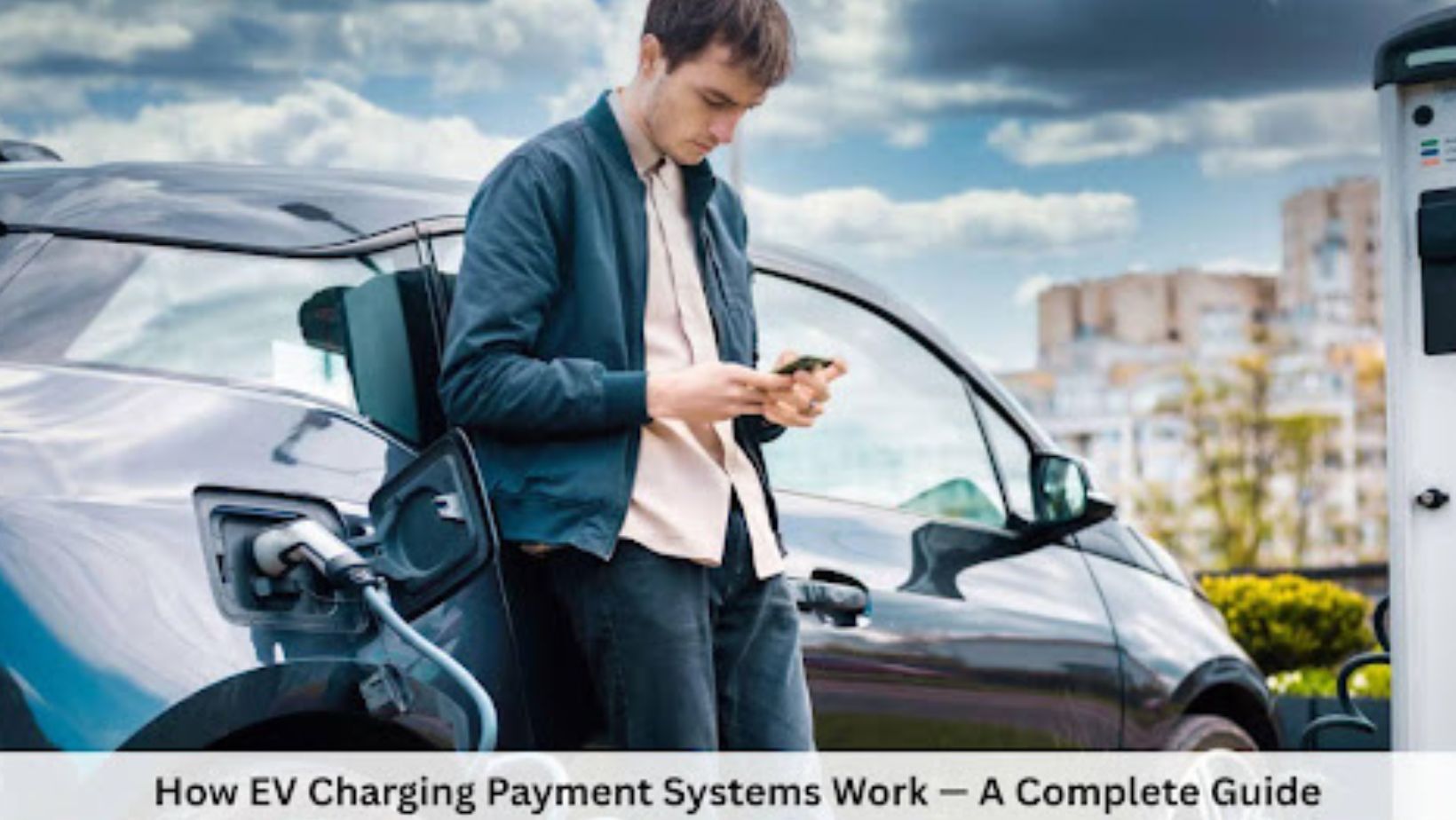
If you drive an electric vehicle, you already know charging isn’t just about plugging in and waiting anymore. It’s about speed, simplicity, and convenience. Imagine pulling up to a charging station only to fumble through cash, different cards, or three different apps just to get a few kilowatts into your car.
Frustrating, right?
Luckily, experts have designed modern EV charging payment systems to fix these problems. They make it easy to pay for the services and help operators run their stations efficiently.
Smart charging systems give you control from start to finish. They accept credit cards and mobile wallet payments. The platform takes care of everything else, such as verifying your payment and tracking your energy usage. You get a fast, seamless charging experience. On the other hand, station operators can manage their equipment and maintenance in real time.
What’s an EV Charging Payment System?
An EV charging payment system is the digital connection between your car and the station’s energy network. It’s the part that makes paying for electricity effortless. Once you choose your payment method, the system automatically processes the transaction quietly.
The payment systems connect to cloud-based management platforms that give operators a live view of their entire network. They monitor charger health, power usage, and revenue. That means fewer outages and a consistent charging experience for you.
In short, the system keeps the payment process fast and transparent. It tracks every transaction and accounts for every kilowatt-hour. It gives every driver a predictable, stress-free experience.
How Electric Vehicle Charging Payment Systems Work
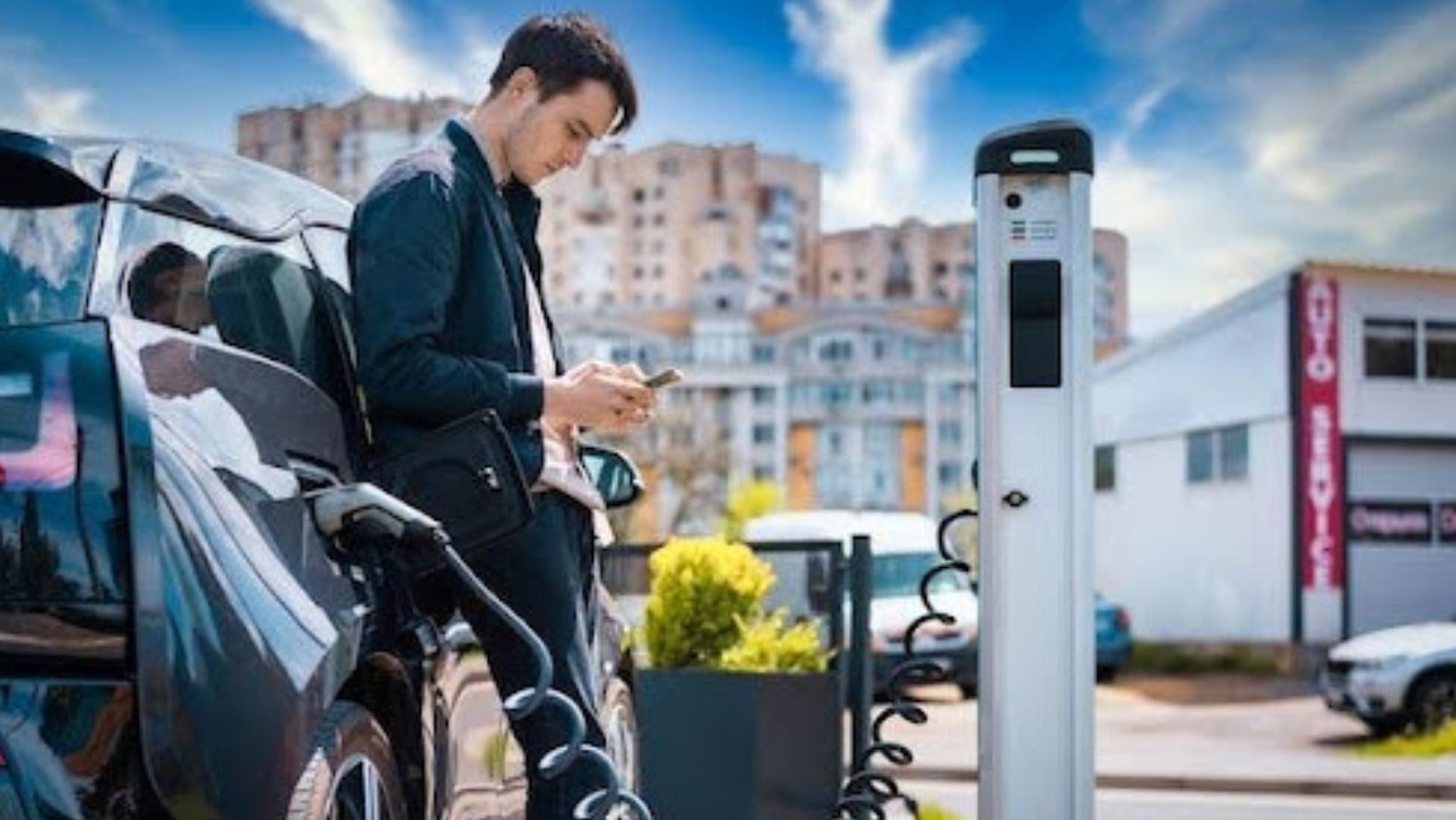
While each operator and network has slightly different technology, the process is generally a fairly uniform experience:
1. Driver Identification
When you plug in your vehicle, the process begins. The charging station (or app) will identify you via a tap of your card or a mobile wallet. Your account will then be recognized, the payment method confirmed as valid, and your rewards or fleet discounts applied automatically.
2. Authorization of Payment
Before power flows, the system will pre-authorize an amount for payment, based on a forecast of the energy needed to produce the kilowatt-hour. This protects both the driver and the operator. Once charging is done, the billing is smooth.
3. Delivery and Tracking of Energy
Once the payment is confirmed, the electricity flows to your vehicle. Any activity and energy is tracked in real time. The system links every kilowatt-hour delivered to your consumption. Progress could be tracked through a quick QR scan.
4. Receipts & Log Data
Both you and the operator receive itemized receipts with transaction details. This allows you to track your expenditure easily and gives the operators valuable data to enhance their service.
All this happens in seconds, without tech glitches.
Payment Choices That Accommodate Your Style

EV charging equipment is designed for usability and adaptability. The focus is to allow charging to fit effortlessly into your daily schedule, irrespective of your payment method.
- Credit Card & Debit Card: Many people still prefer card payments. You can tap or swipe your card to complete your payment. The payment system verifies your credentials, manages the authorization, and processes the transaction.
- Mobile Wallets: The mobile wallets are perfect for quick payments or when you leave the wallet in the car.
- QR codes: Many stations allow you to begin charging remotely through QR codes. You can monitor charging progress and pay without any contact with the terminal.
Whatever your payment method system, most developers have made today’s process simple and convenient.
How EV Charging Payment Systems Benefit Drivers and Businesses
A good EV charging payment system processes payments and enhances the entire charging experience for both you and the businesses running the network.
1. A Seamless User Experience
Nobody enjoys juggling multiple cards or downloading another app just to charge. With plug & charge or contactless options, your car connects automatically. The process feels natural and quick. It lets you focus on the journey, not the transaction.
2. Intelligent Revenue and Cost Management
These systems give operators pricing flexibility. For example, they can set per-kWh rates and offer subscription models. This way, drivers get diverse services and offers. They might even get loyalty programs that reward frequent use.
3. Access to Useful Data
Stations that use smart systems are more reliable. That’s because operators use the data from payment systems to make smarter decisions. They analyze charging sessions, energy use, and peak hours to optimize service.
4. Unmatched Efficiency and Reliability
Drivers get frustrated when they pull up to a broken charger. Fortunately, smart payment systems can head that off by automatically sending alerts if something goes wrong. In that way, an operator can detect and fix issues before they affect you.
5. Improvement of Brand Reputation, Sustaining Customer Loyalty
A smooth, trouble-free charging experience speaks volumes about the brand supporting it. In that respect, consistent innovation and respect for the time of the customer are reflected in this manner. Reliable charging stations build customer trust that keeps them returning.
6. Scalability and Future-Proofing
The EV world is changing fast. New vehicles, smart grids, and vehicle-to-grid (V2G) technology are already shaping the next phase of charging. Modern payment systems are designed to evolve alongside these changes, ensuring compatibility and future readiness. That means you’ll keep enjoying seamless charging no matter how technology advances.
In short, these systems create a win-win: drivers get smoother, faster charging, while operators gain efficiency, insights, and scalability.

Optimizing EV Charging for the Long Term
Once an operator installs a smart payment system, they must monitor it continuously to benefit from it. For example, usage patterns must be tracked to identify peak times. This data is key for adjusting prices. They can set up automatic alerts to identify abnormal energy consumption. In addition, regular updates in software will keep the systems secure and compliant.
Operators can also use long-term data trends to improve user experiences. For example, they might offer loyalty programs or provide time-of-use pricing to help keep energy affordable. Such improvements will make EV charging more convenient for everyone involved.
Conclusion
An intelligent charging network should have a smart payment system that ensures a smooth user experience and efficiency in business operations. Drivers get stress-free charging without delays.
Operators get the right data to drive their decision-making. And, they can also avoid downtimes and grow stronger revenue streams.
These systems are the future of daily driving as electric vehicle adoption increases. They make charging intuitive and transparent. The next time you plug in, remember, behind that tap or scan is an entire ecosystem working quietly to keep you moving forward.